Amarbaysagalant the Monastery Dedicated to Saint Zanabazar
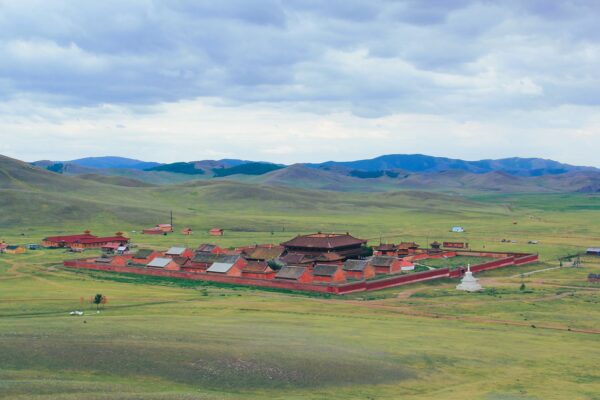
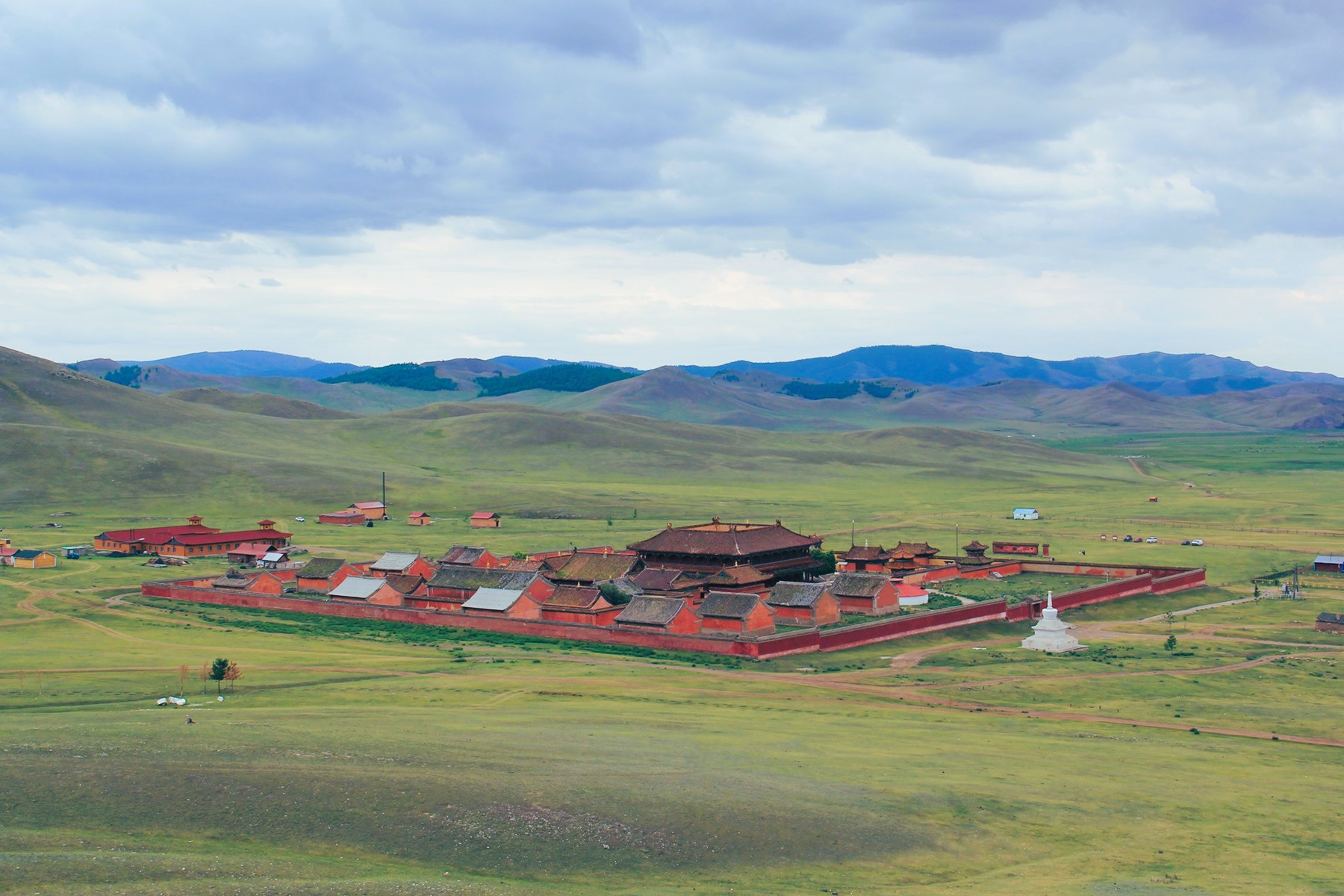
Amarbayasgalant Monastery is one of Mongolia’s most important religious and cultural sites. Builders began construction in 1726, and Mongolian craftsmen completed it in 1737. They named the monastery after two children, Amar and Bayasgalant, whom they met while searching for the perfect location.
At its peak, the monastery housed up to 6,000 monks. More than 40 temples stood within its 175 by 207 meter walls, making it one of the largest religious centers in Mongolia.
Tragedy struck during the Stalinist purges in Mongolia. Authorities killed many monks and destroyed most of the temples. In 1943, the government rebuilt and protected the monastery. Restoration continued for decades, and in 1990, UNESCO supported major preservation work. Today, around 50 monks live and practice there.
The monastery ranks as Mongolia’s second most important religious center after Erdene Zuu Monastery.
Travelers can reach the site from Erdenet. Drive to Baruunburen, leave the paved road, and follow a dirt track for about 24 kilometers. Local drivers know the routes well, so access is relatively easy.
Architecture and Layout of the Monastery
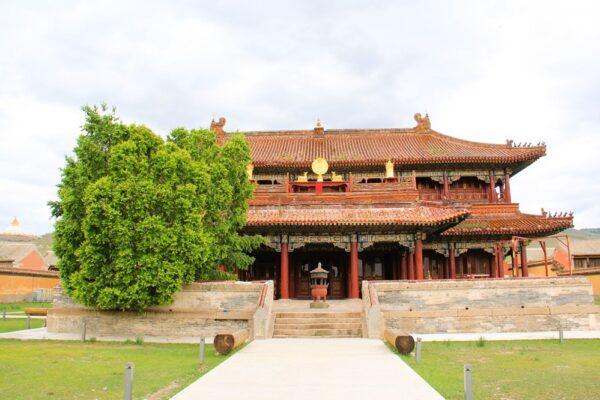
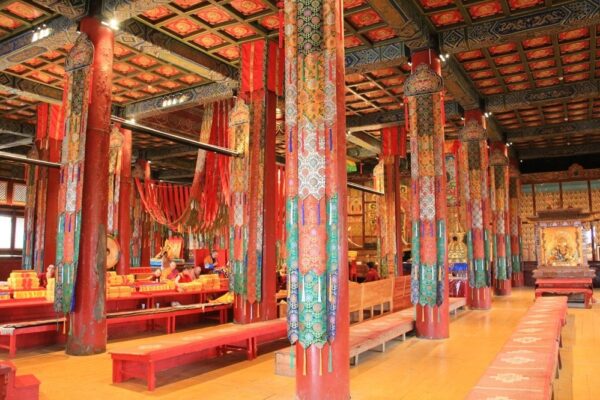
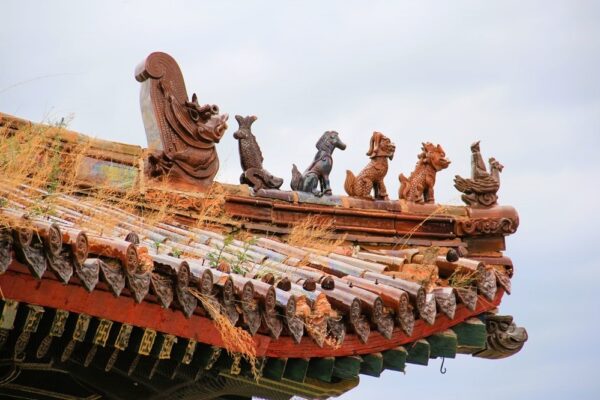
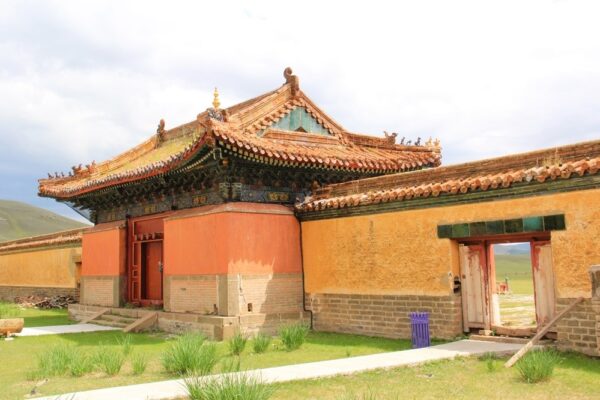
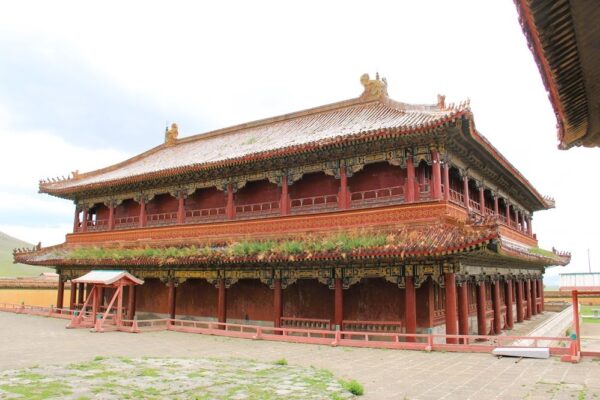
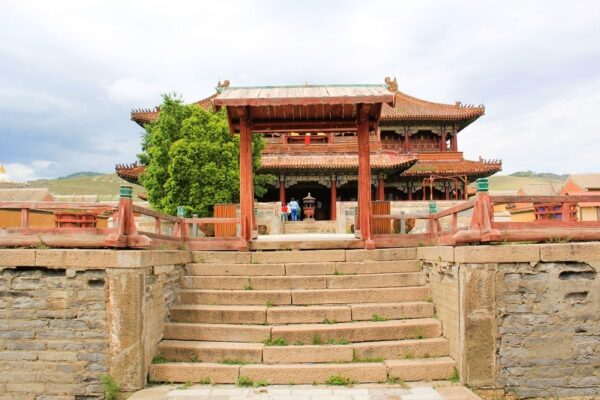
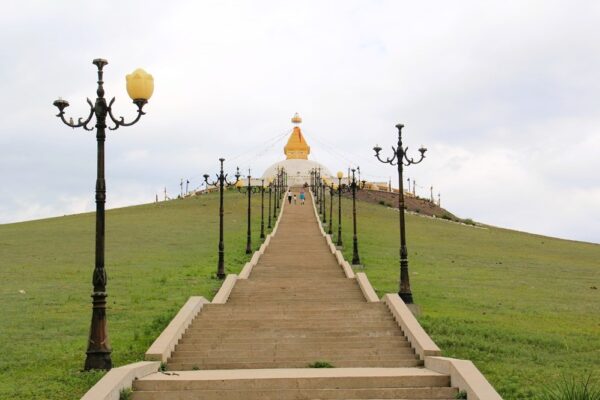
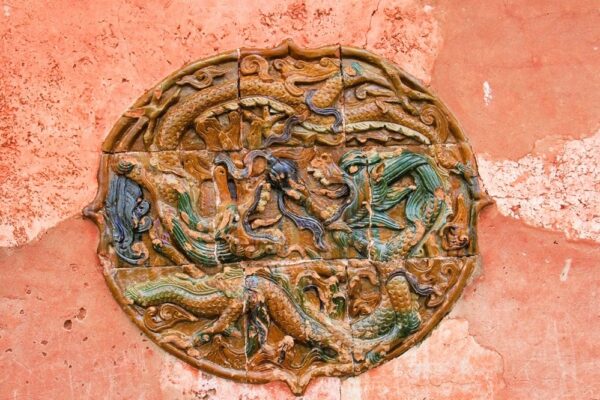
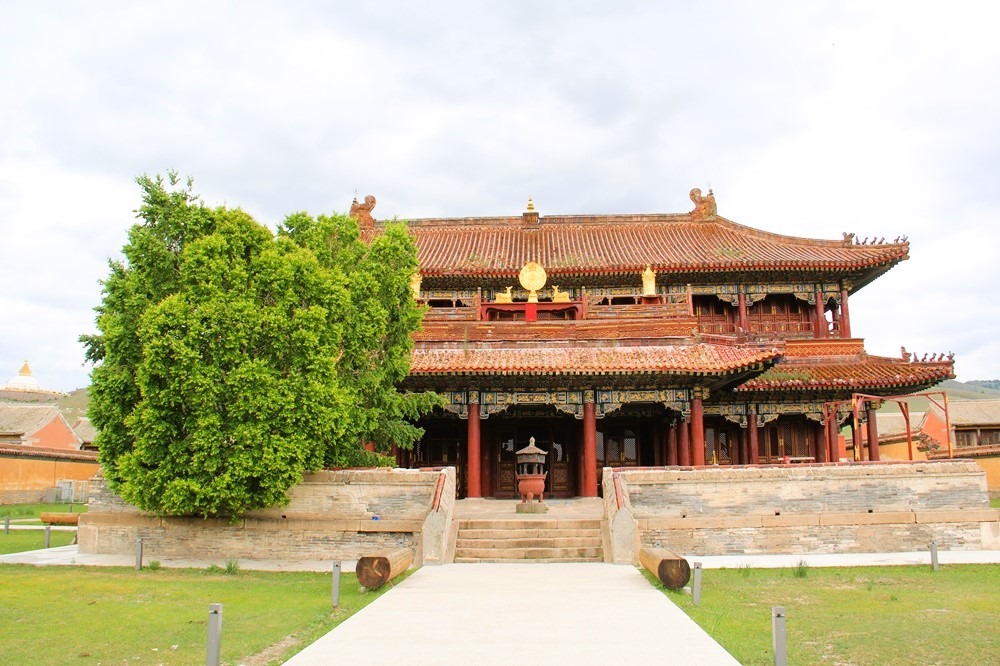
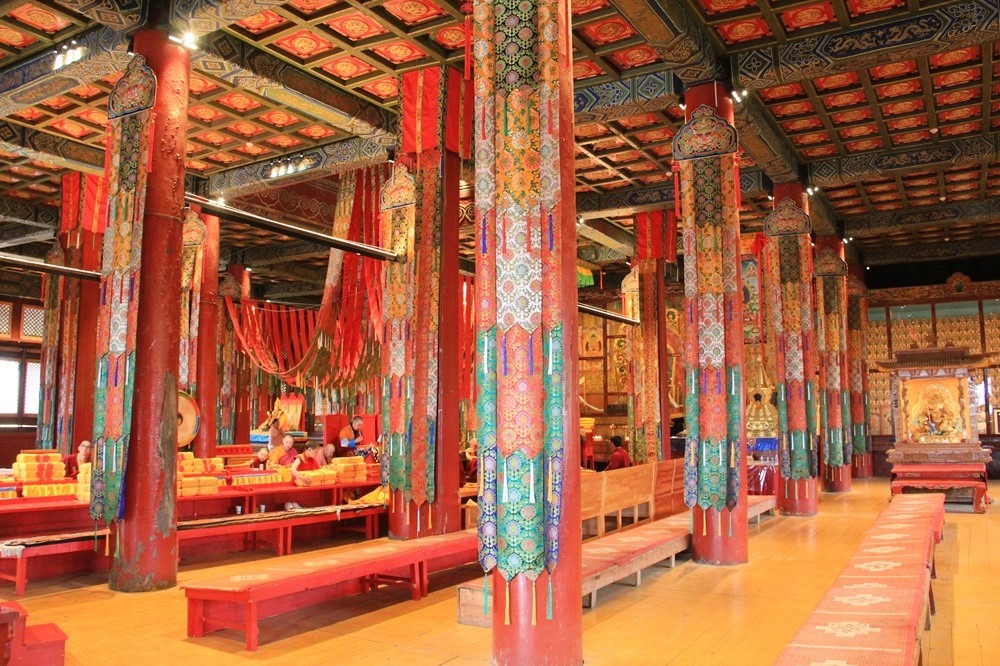
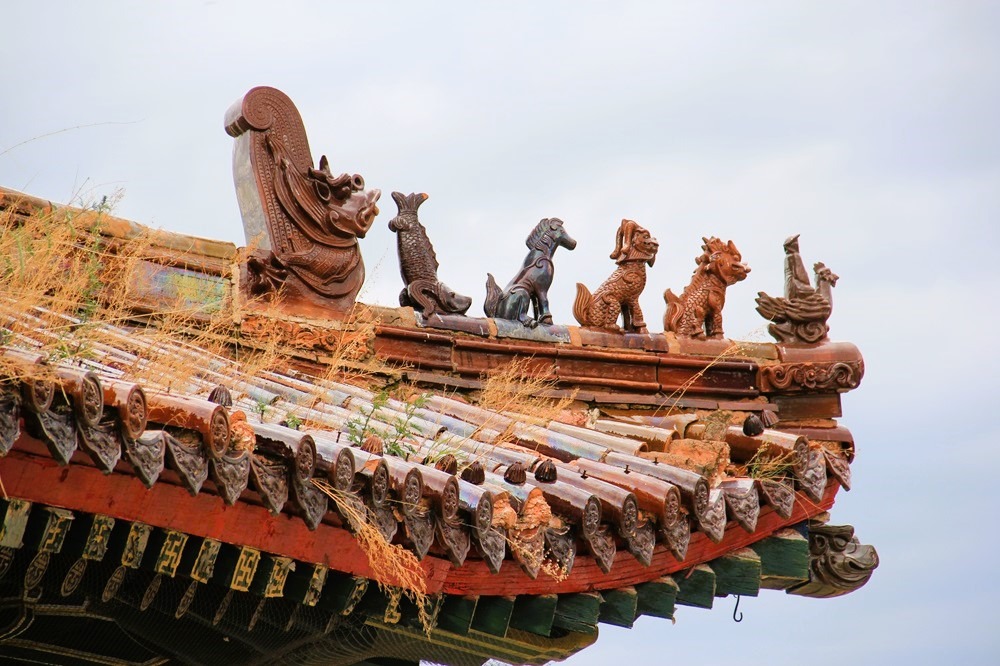
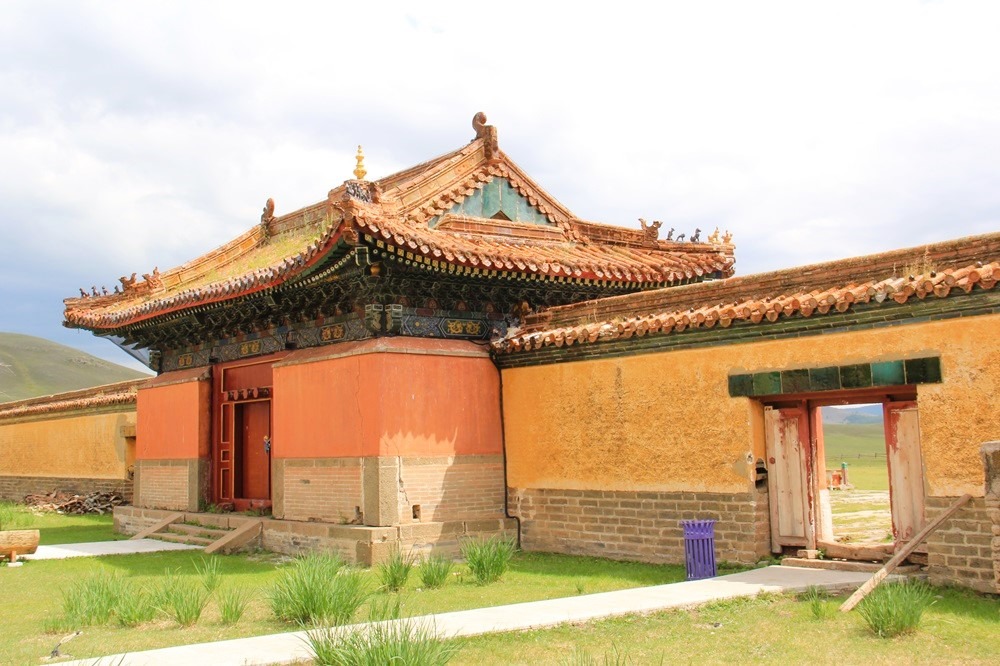
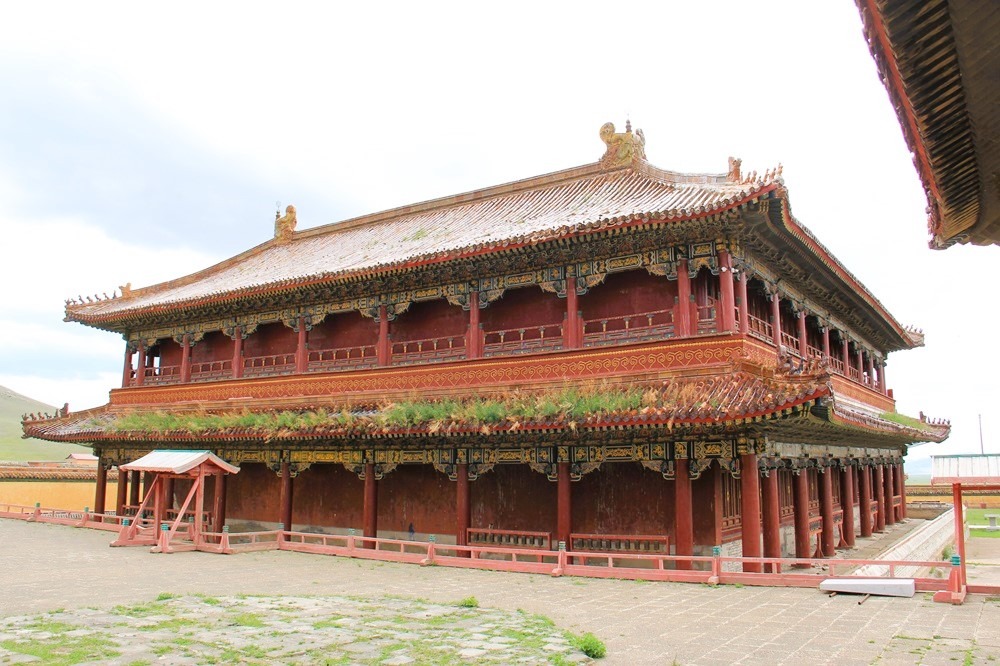
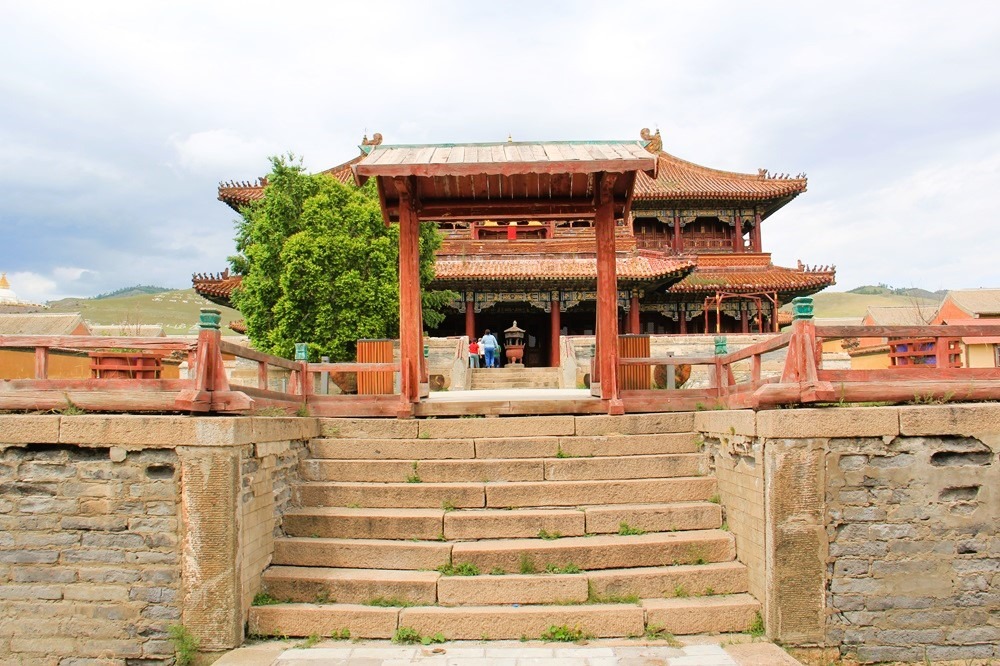
Amarbayasgalant blends Mongolian and Chinese architectural styles. Its symmetrical layout reflects Chinese influence from the Manchurian period. The main temple, Tsogchin Dugan, features tall red wooden pillars and a spacious hall surrounded by a gallery. Many smaller temples and administrative buildings also showcase the elegant combination of traditional Mongolian and Chinese designs.
Historical Artifacts and Cultural Heritage
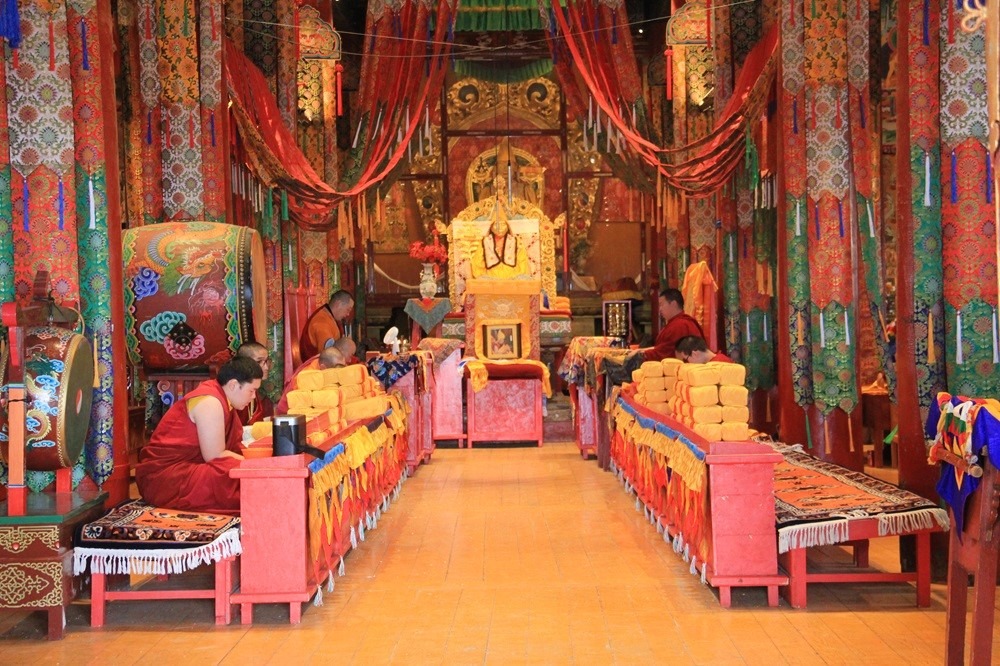
Despite past destruction, the monastery still preserves valuable cultural treasures. These include 226 volumes of the Ganjuur and Danjuur. The mummified body of Zanabazar, brought from Beijing in 1789, remains on display, attracting scholars and pilgrims alike. Visitors can also see traditional thangka paintings, ritual objects, and ancient manuscripts that survived the purges.
Experiencing the Monastery Today
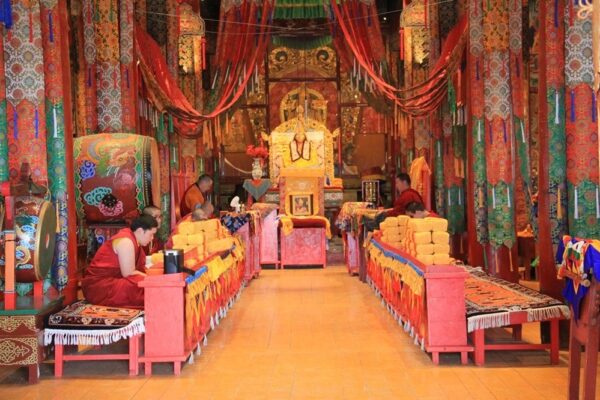
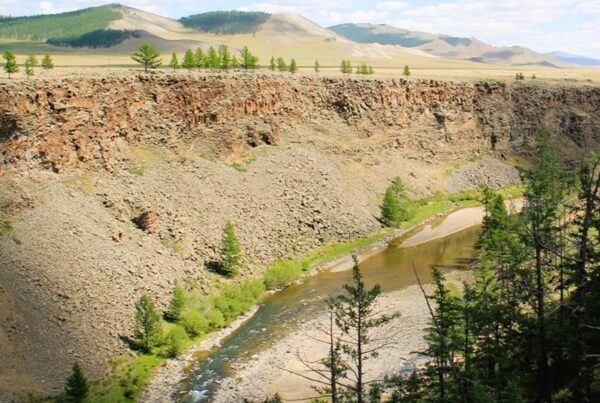
Today, Amarbayasgalant Monastery continues as a living spiritual center. Monks perform daily prayers, and visitors can experience ceremonies or explore the tranquil grounds. The surrounding forested hills and river create a serene atmosphere, making it an ideal destination for those interested in Mongolian culture, religion, and history.