Ulaan Taiga
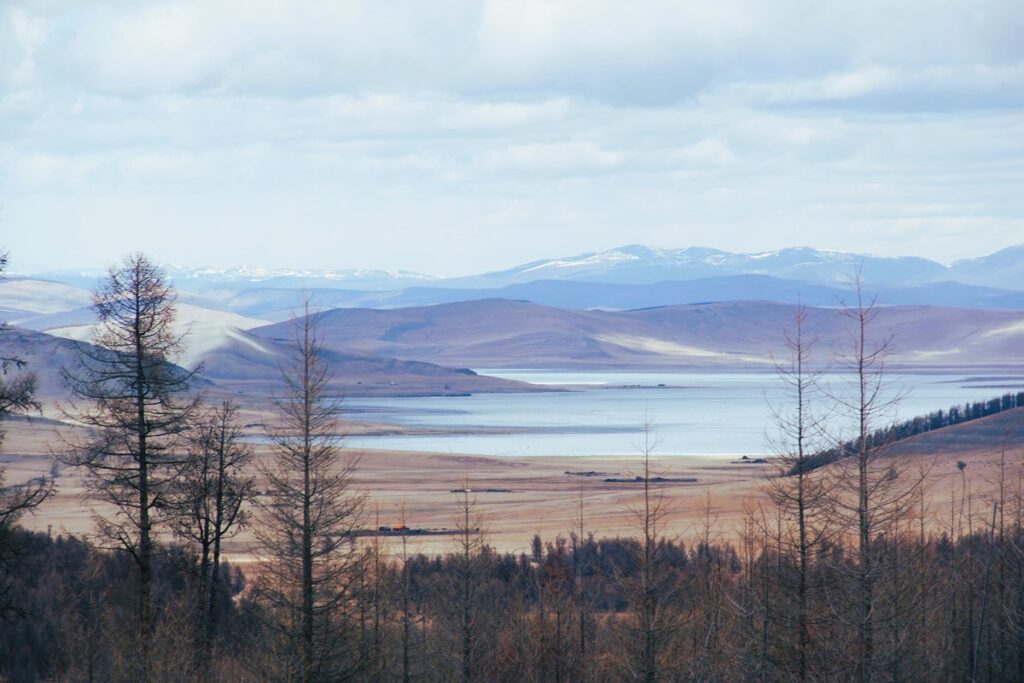
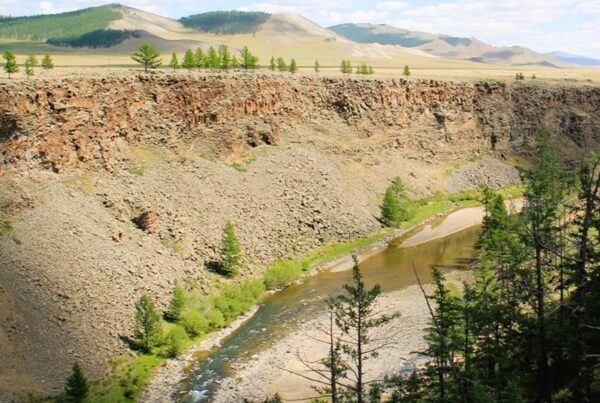
Ulaan Taiga is a high mountain range in northern Mongolia, rising to about 3,059 meters above sea level. It stretches to the northern border in Ulaan-Uul soum and features dense forests and steep rocky slopes.
The range includes several sub-mountains. For example, Lama Taiga reaches 2,659 meters, while Boshgot Taiga rises to 3,009 meters. In addition, some of the highest peaks are Deed Taiga at 3,222 meters and Ivtei Taiga at 2,750 meters.
Several major rivers originate from these mountains, including the Delgermurun, Huh Gol, and Mungarag. The region is also divided into Deed (Upper) Taiga and Dood (Lower) Taiga.
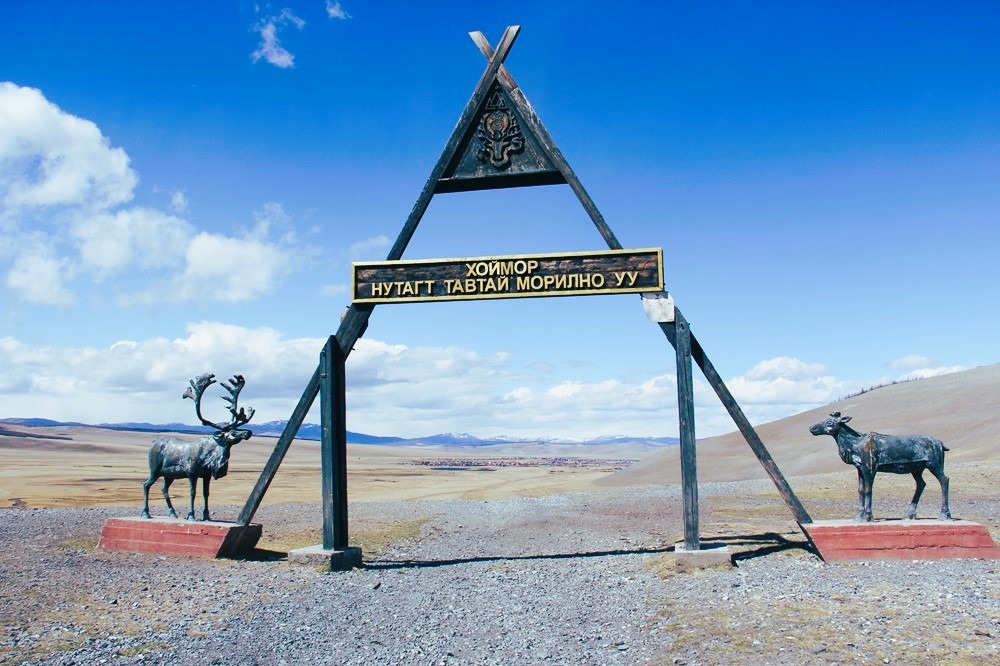
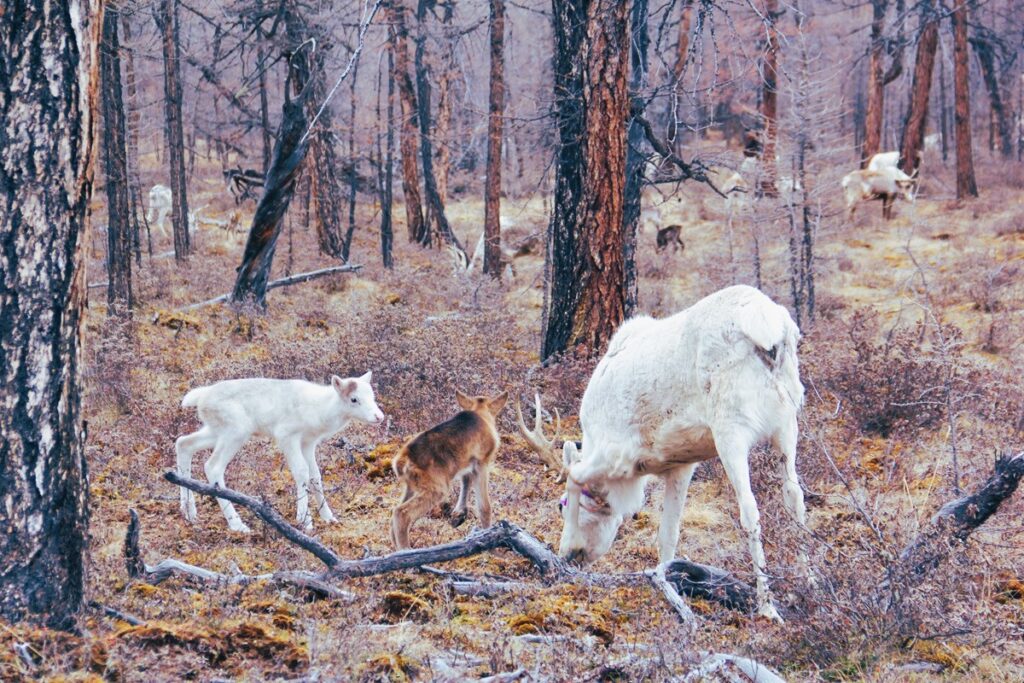
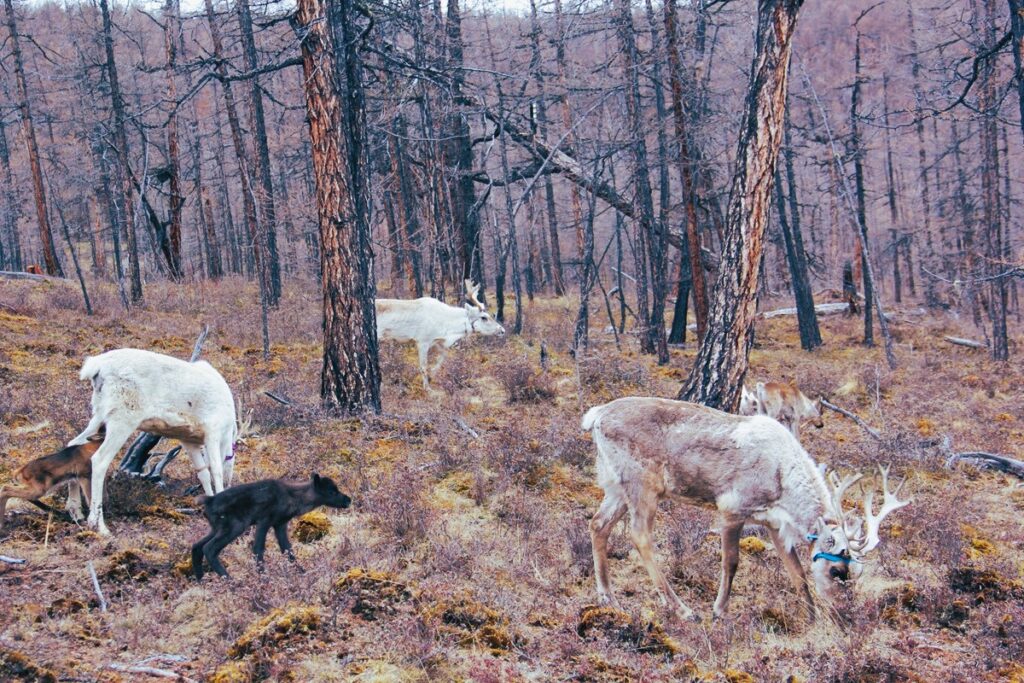
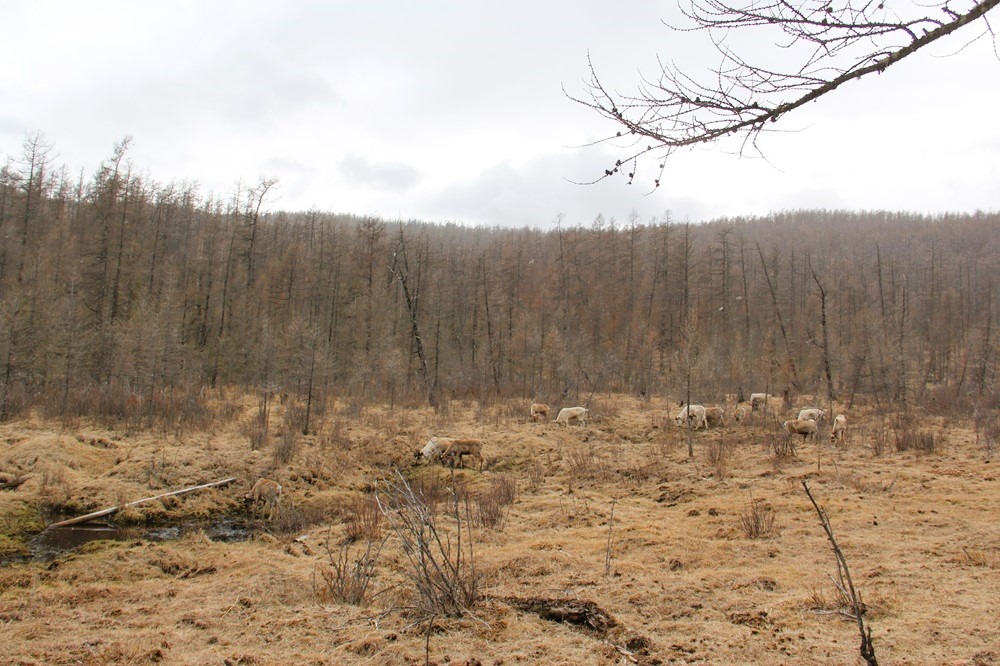
Moreover, larch and cedar forests cover much of the area. These forests provide habitat for rare wildlife such as moose, wild reindeer, otters, and martens.
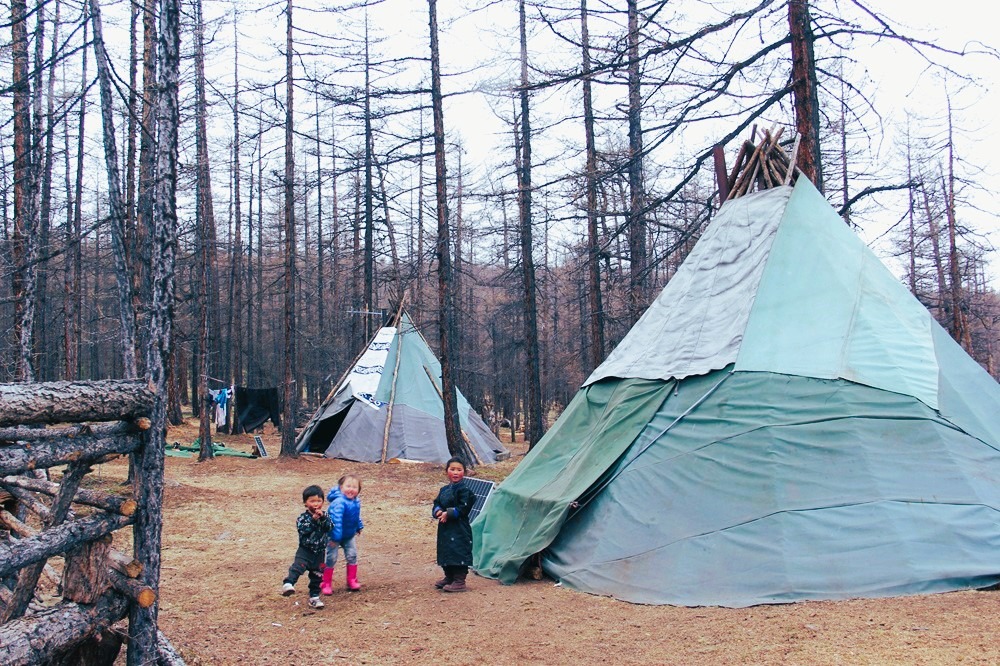
Home of the Tsaatan
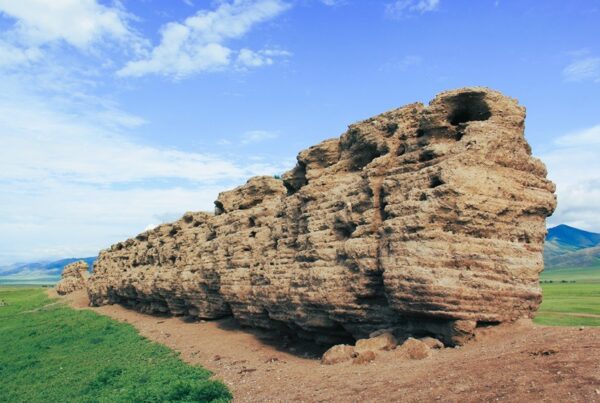
The homeland of the Tsaatan people has a rich and layered history. Notably, the presence of ancient Chinese and Uyghur military fortifications suggests strong historical influence from these empires. Because of this, some early reindeer herders began identifying as Uyghurs.
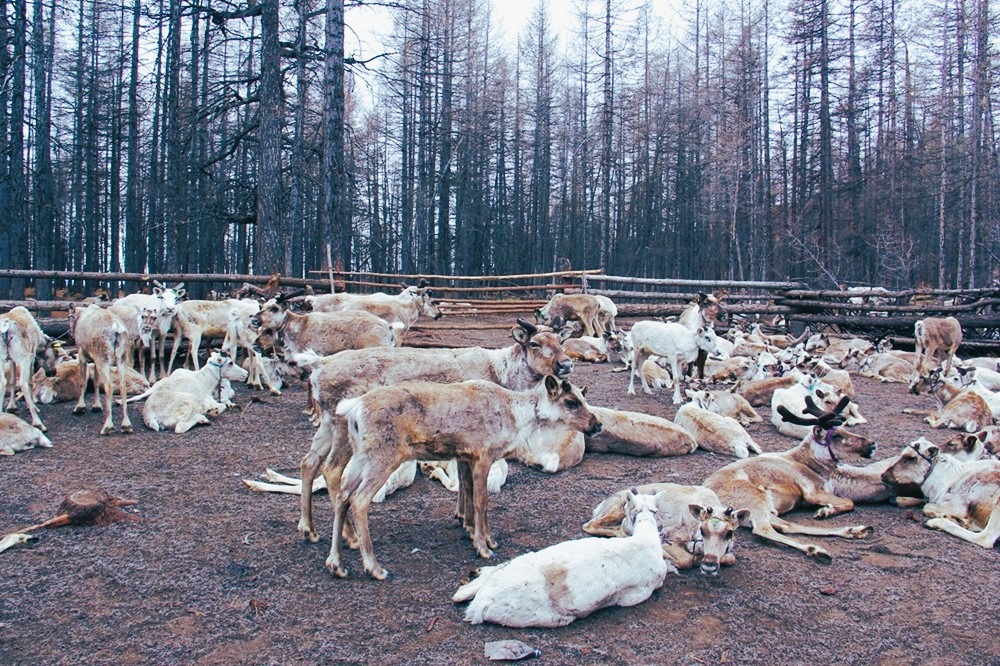
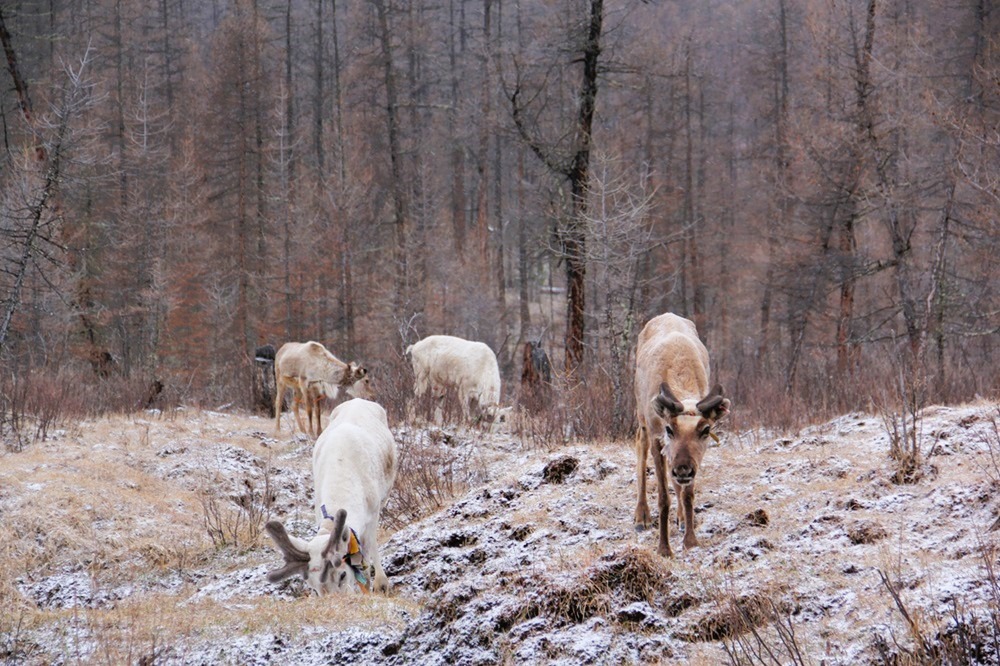
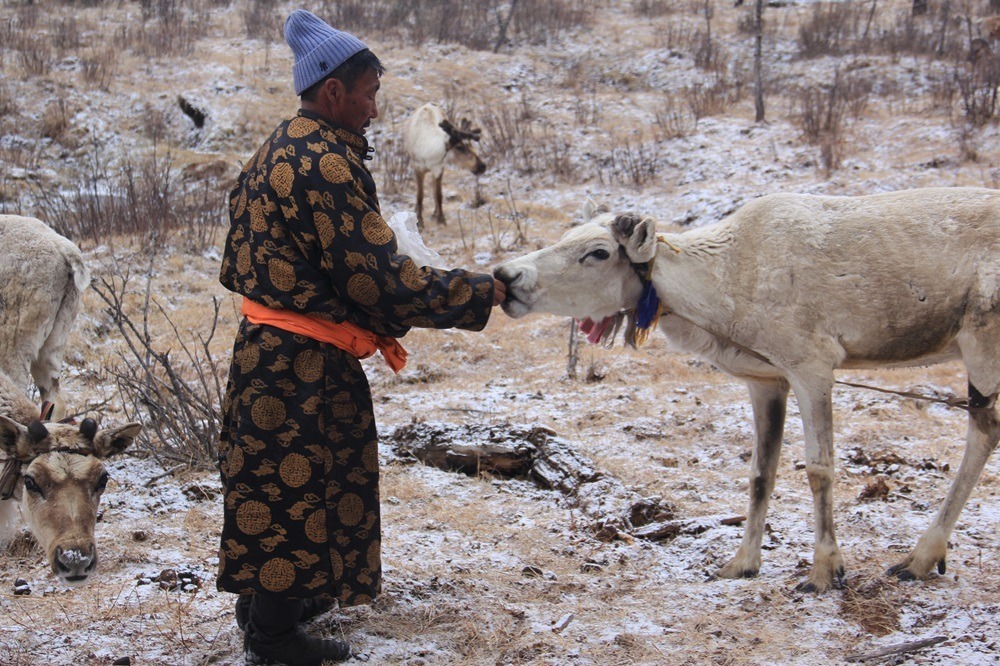
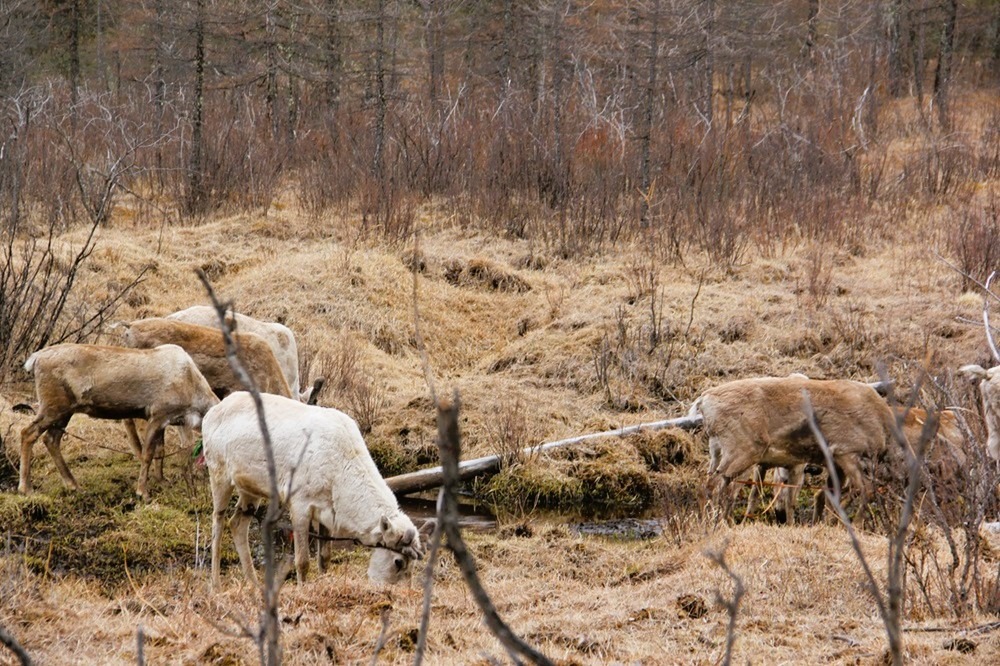
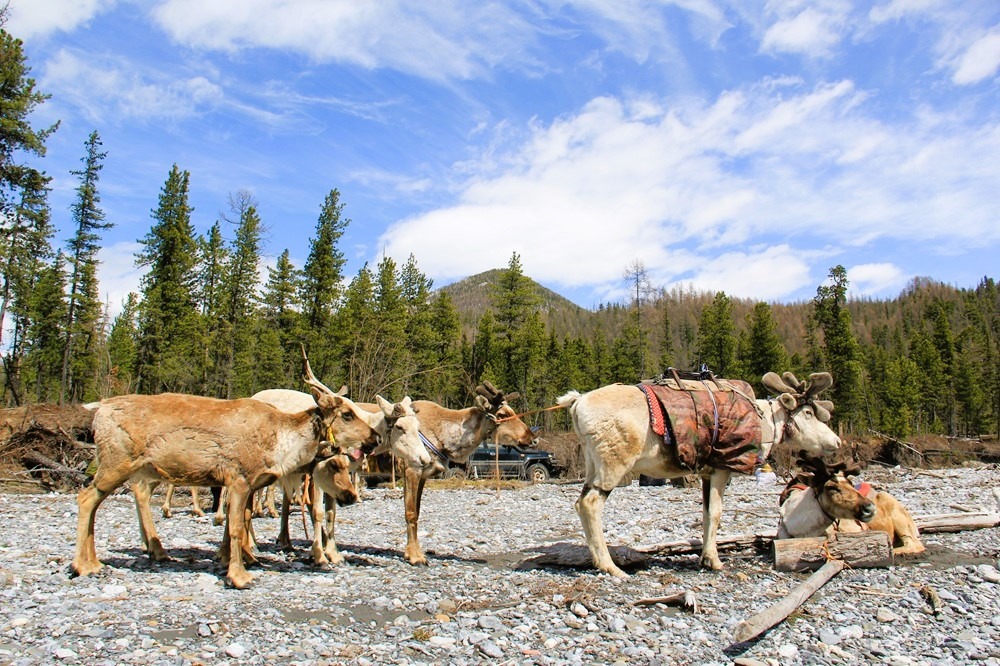
Today, reindeer remain the primary livestock of the Tsaatan. These animals are well adapted to cold, high-altitude environments rather than warmer climates. In harsh winters, temperatures can drop to between -31°C and -50°C.
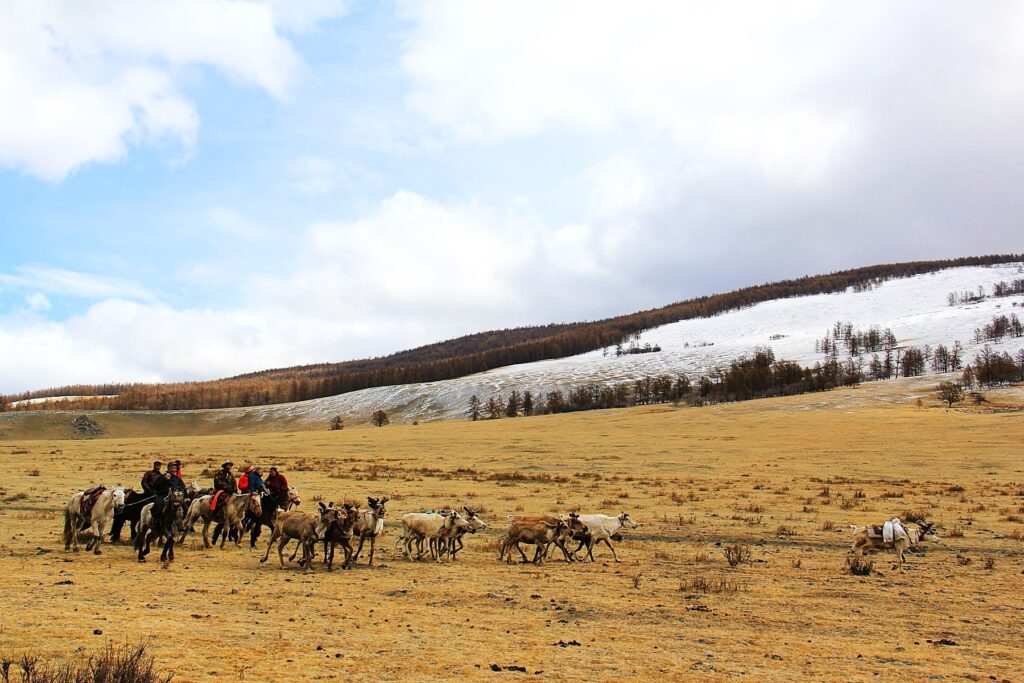
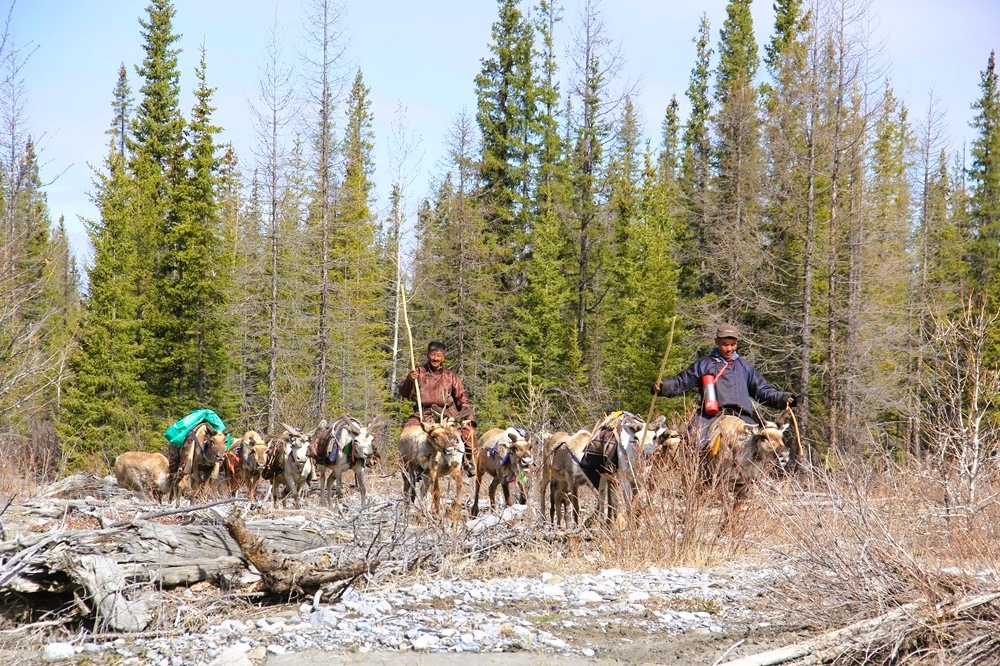
As a result, the Tsaatan migrate seasonally with their herds. They move in search of better pastures and to maintain healthy reindeer populations. In particular, changing grazing areas helps prevent inbreeding and improves herd quality.
However, the small population of the Tsaatan presents challenges. To avoid inbreeding, they sometimes marry people from neighboring groups, such as blacksmith communities and Khalkh Mongols. Consequently, some traditional customs and aspects of their original way of life have gradually declined.