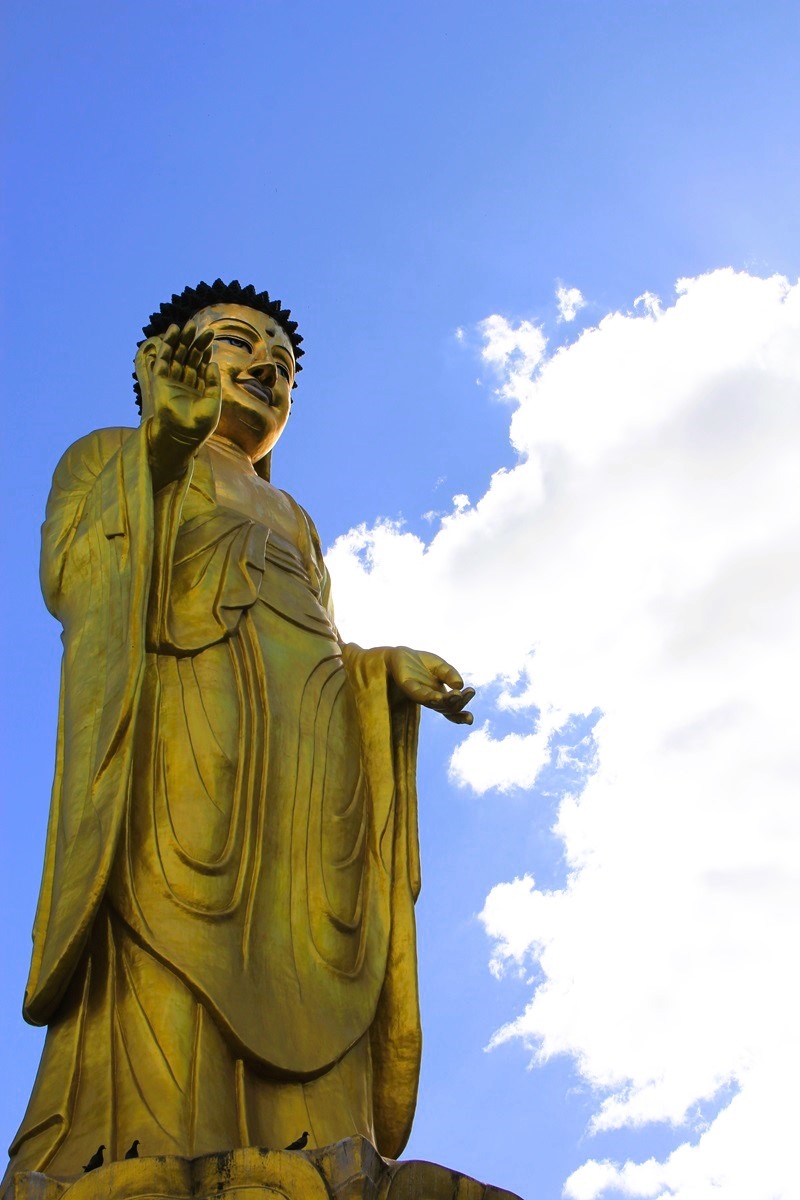
Buddha Park in Ulaanbaatar
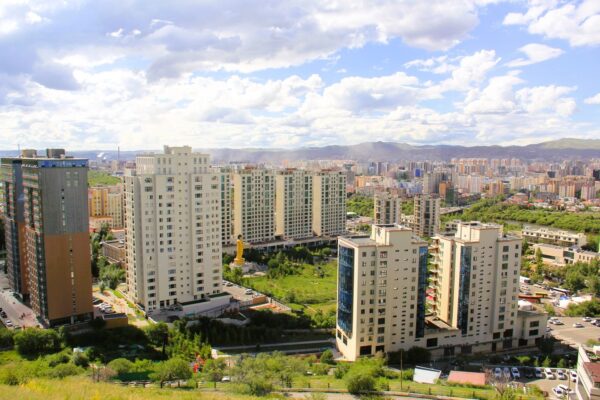
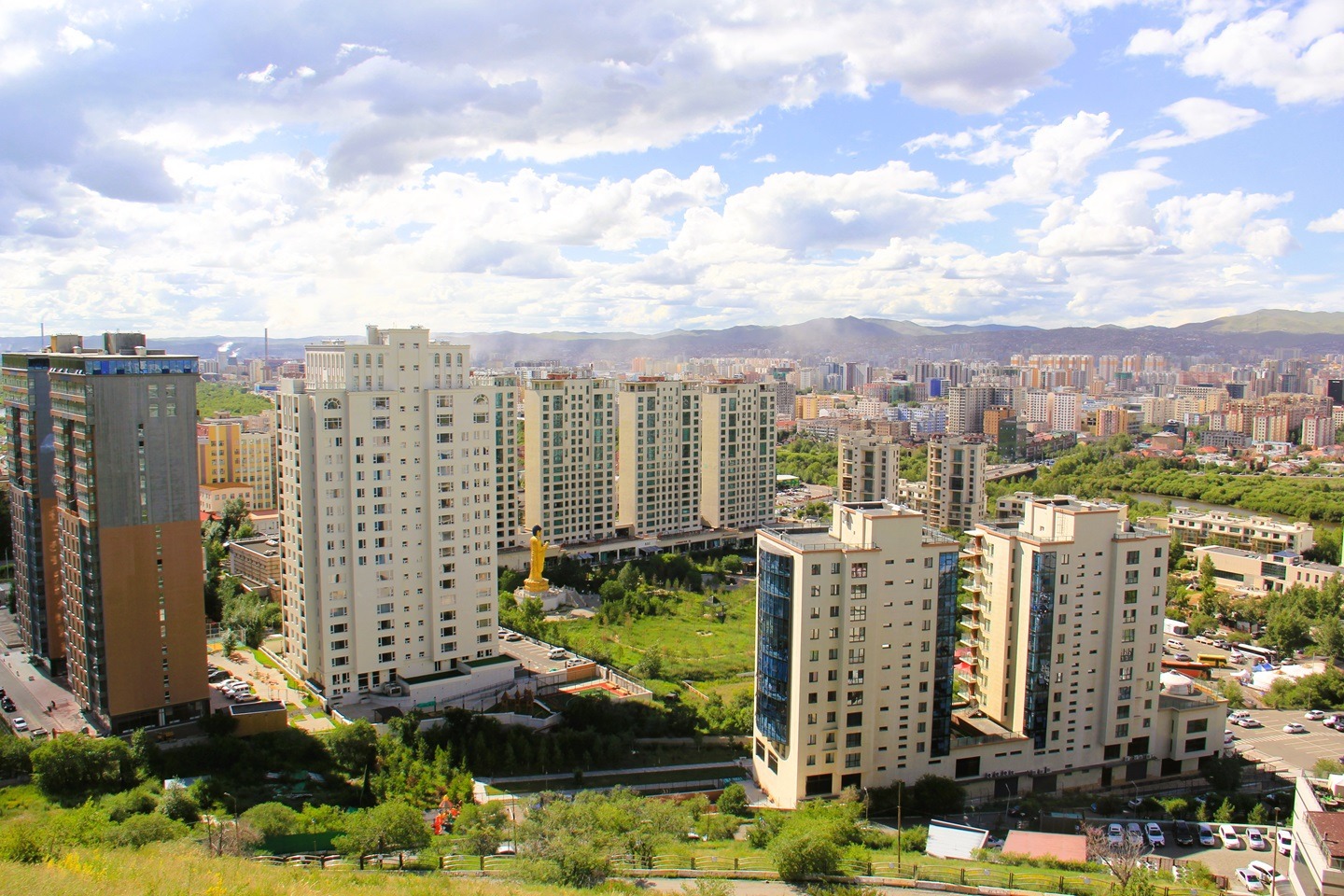
Buddha Park is a peaceful and culturally important place that opened in 2006. It sits on the lower western slopes of Zaisan Tolgoi and welcomes visitors seeking calm and reflection. The project began through generous funding from South Korea and the dedicated work of the non-governmental organization “Lianhua.”
Creation of the Buddha Statue
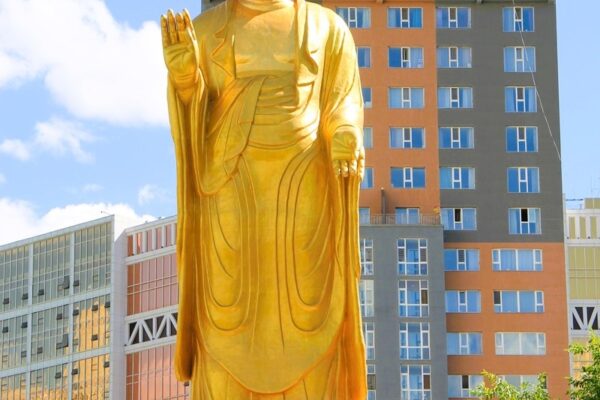
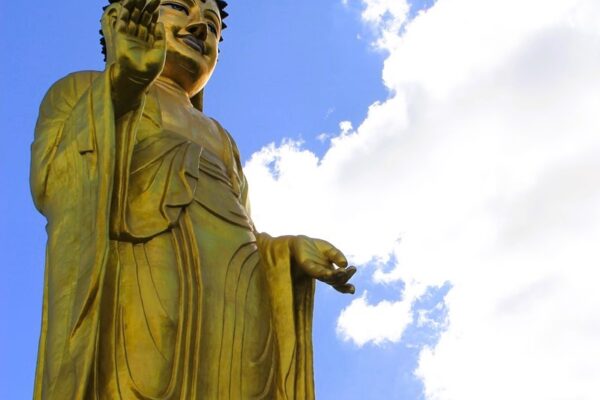
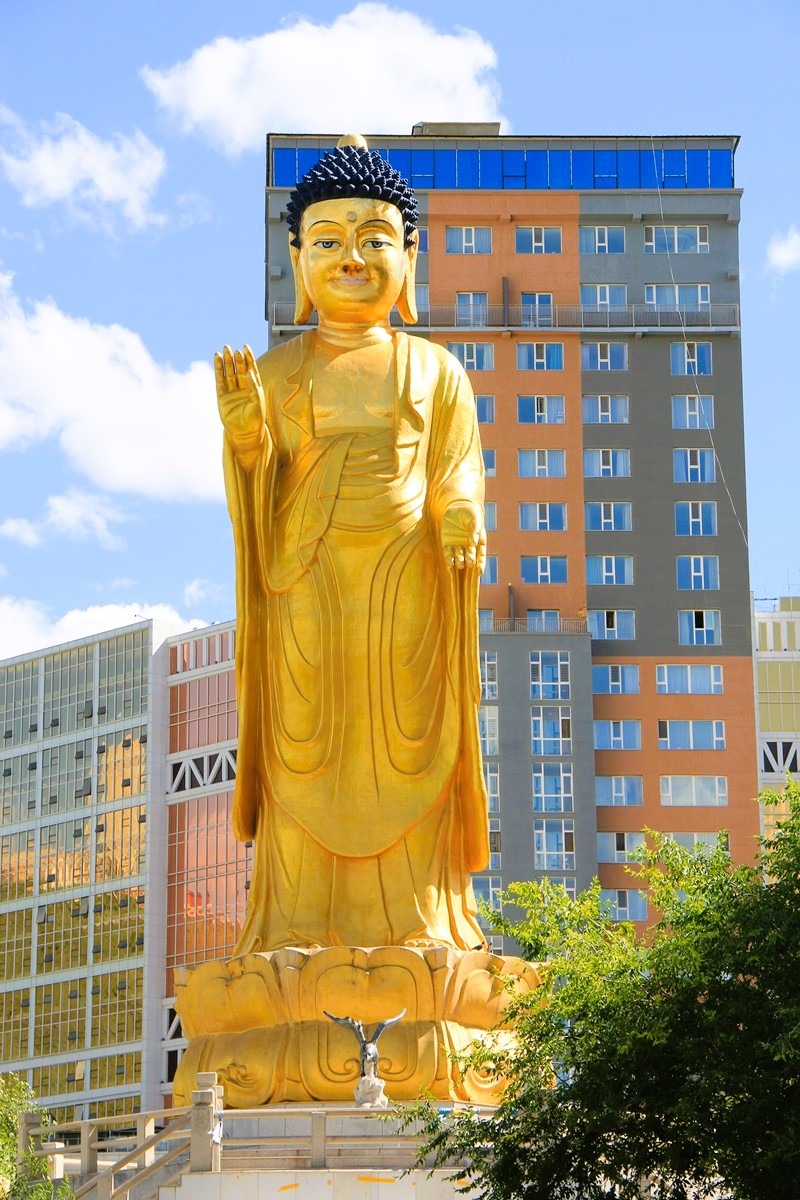
At the center of the park stands a striking 23-meter-high Buddha statue. Skilled Korean Buddhist sculptors created it with great care and devotion. Rather than serving only as a piece of art, the statue represents hope and tranquility for all who visit.
The body of the Buddha uses a unique glutinous material called Ulight, which was specially imported from Korea. This material is extremely durable and can resist sun, wind, and water for up to 500 years. Interestingly, shipbuilders also use Ulight for boat bottoms because of its strength and resilience.
Vision and Rituals Behind the Park
The park began with the vision of Gurdwara Renbuche, who wanted to create a sacred space for contemplation. After the statue was completed, he performed the traditional ritual of giving life to the statue. This important act symbolizes the connection between the statue and the spiritual intentions of the community.
Symbolism and Orientation
The design of the statue carries deep meaning. The Buddha’s eyes face the busy city of Ulaanbaatar, symbolizing watchful guardianship. This orientation suggests that the Buddha watches over the city and protects its people. As a result, many visitors feel a sense of reassurance when they stand before the statue.
Spiritual Elements of the Park
In addition to the statue, the park includes several symbolic features that enhance its peaceful atmosphere. A beautifully crafted bell represents peace, while a ceremonial tambourine calls upon the gods of heaven and earth for protection. Together, these elements invite both locals and tourists to slow down, purify their minds, and seek inner peace amid the noise of urban life.
A Cultural and Spiritual Landmark
Today, Buddha Park serves not only as a pilgrimage site for Buddhists but also as a cultural landmark for people from many backgrounds. It encourages reflection, understanding, and harmony among visitors. Consequently, the park plays an important role in connecting communities and promoting spiritual well-being in Ulaanbaatar.