The Tonyukuk Stelle Monument and Burial Complex
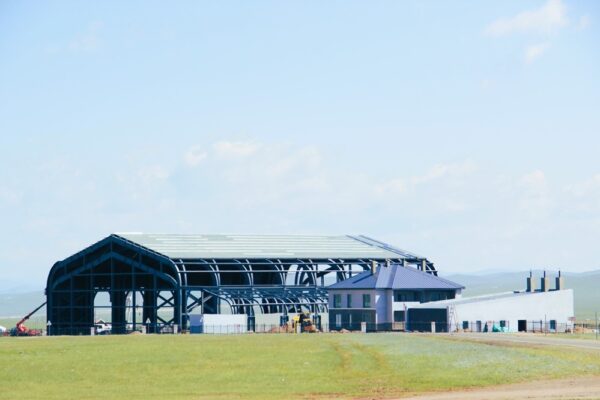
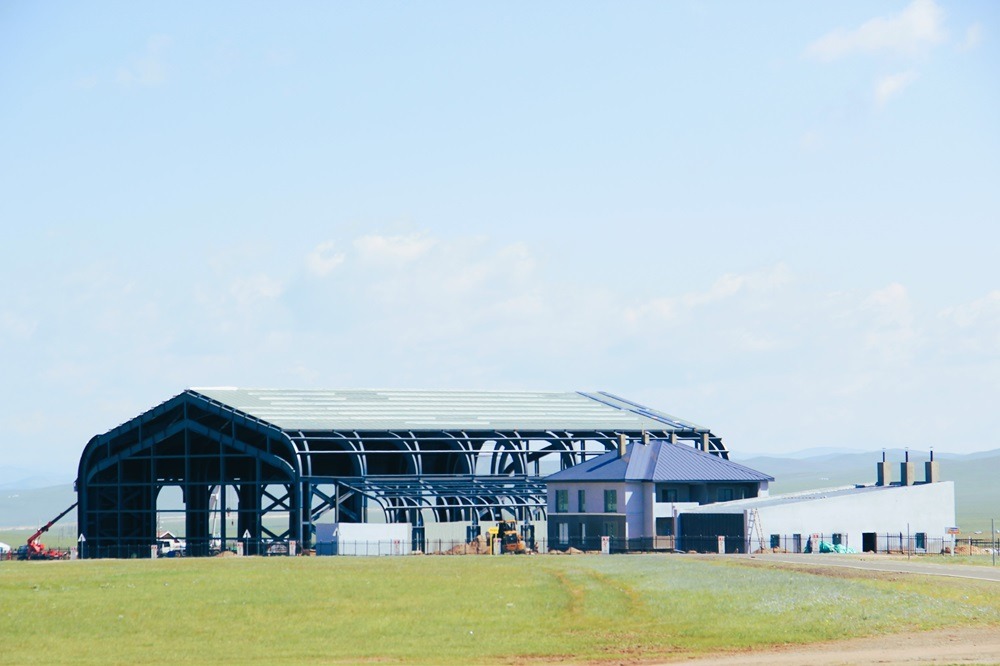
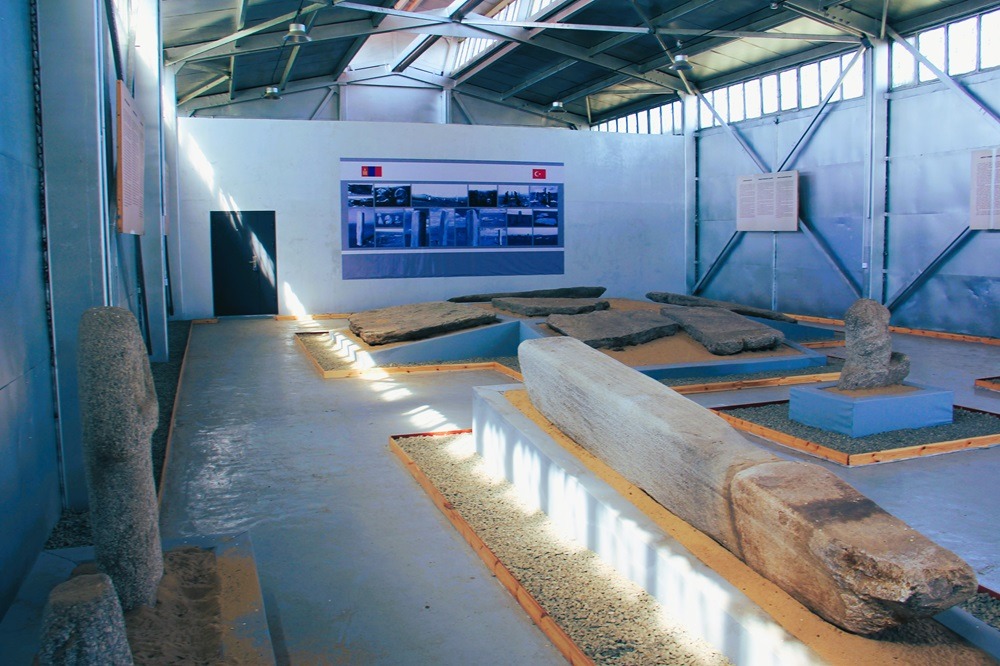
The Tonyukuk Stelle Monument honors the wise minister Tonyukuk, who advised three Turkish kings. It stands in the Erdene soum of Tuv aimag, 15 km east of Nalaikh city and 4 km west of the Ar Janchivlang sanatorium.
Excavation and Discovery
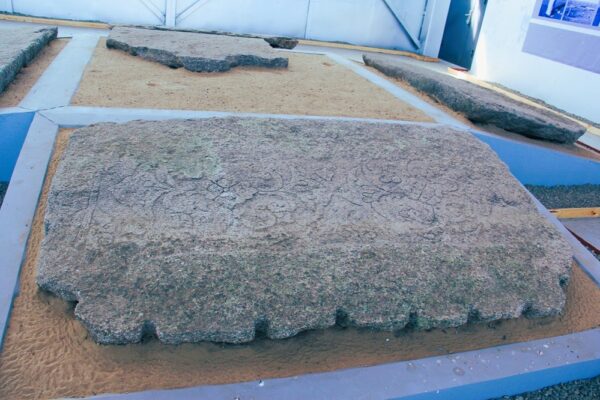
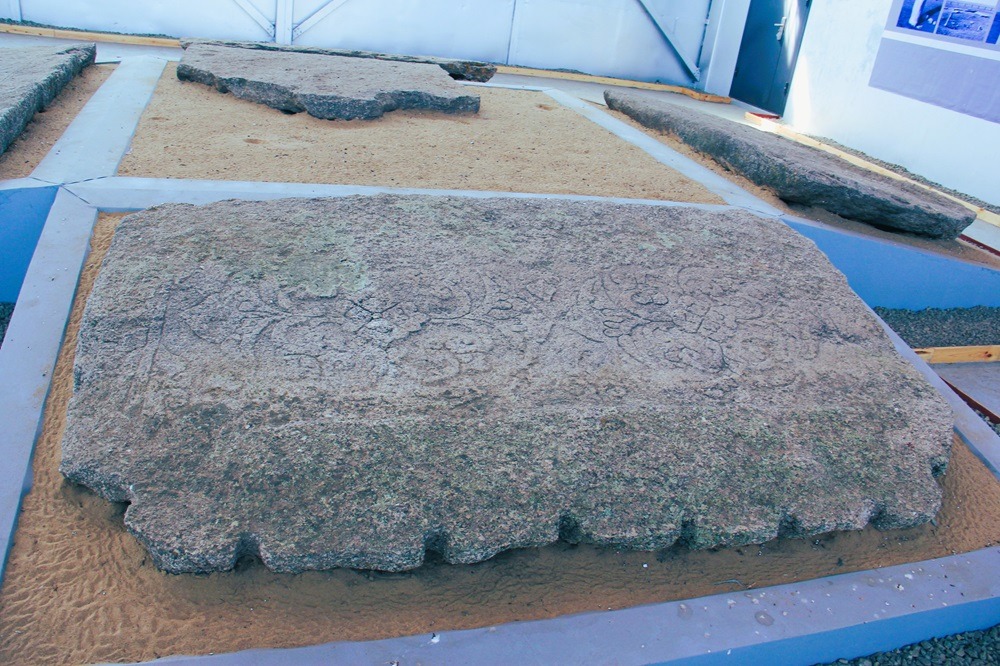
In 1957, Dr. N. Ser-Odjav conducted extensive excavations of Tonyukuk’s tomb. He discovered a building with a covered brick floor, a tiled roof, and a single row of blue brick walls. The walls displayed bright colors: black, red, white, and yellow. Pillars featured human faces with thick eyebrows, squinting eyes, sharp fangs, and pointed noses.
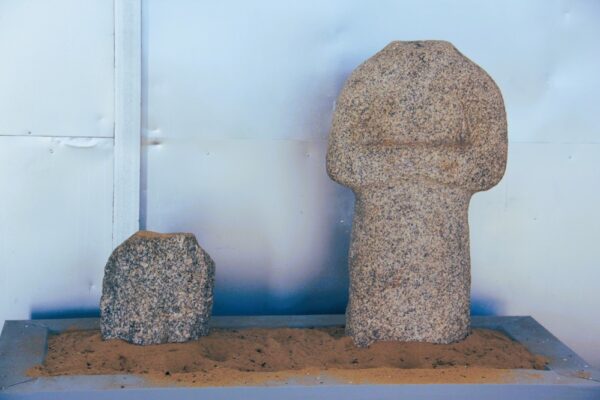
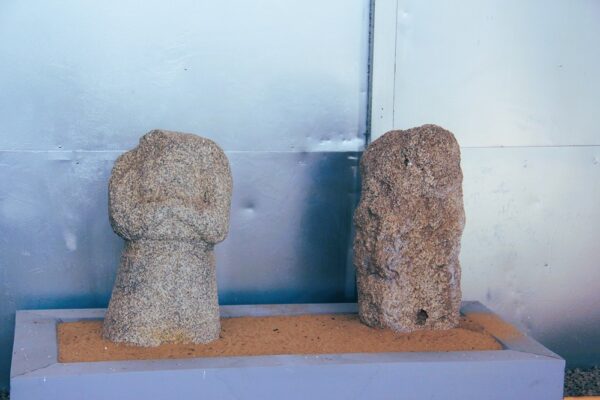
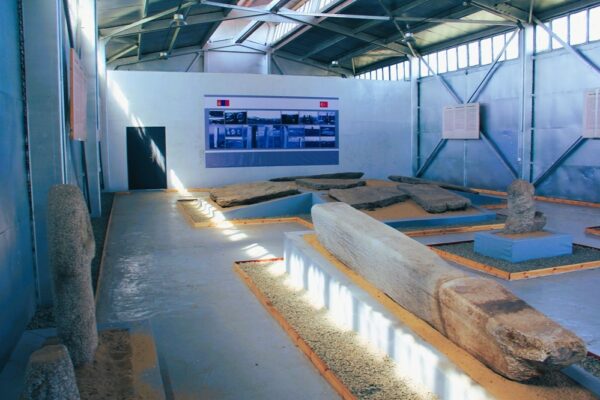
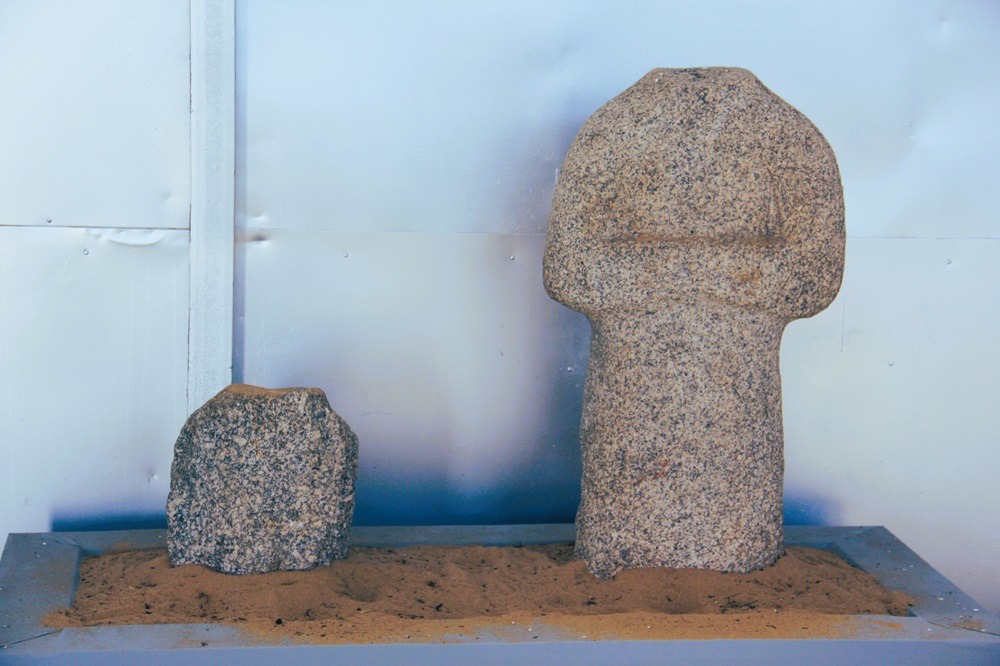
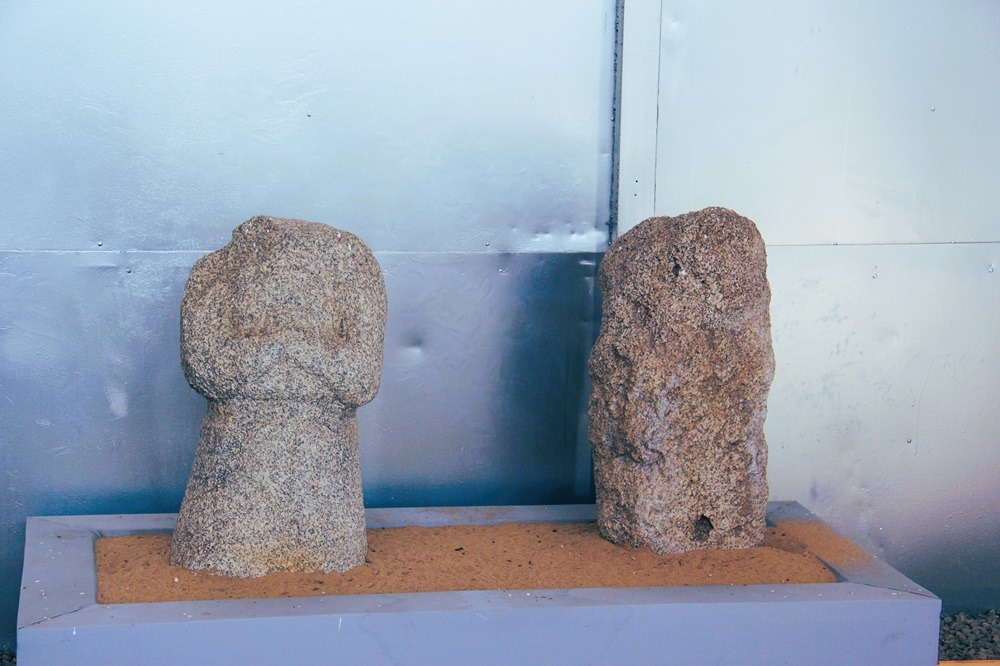
Archaeologists also found large vases with round mouths and flat bottoms. Near the monument, nine gray granite human figures wearing robes were discovered, each with a unique design.
Ancient Turkish Burial Customs
About 400 white stones—called zel kulu or balbal kulu—stretch in a row 1,300 meters east of the monument. Some stones remain visible on the ground today. The ancient Turks cremated their dead and performed rituals to honor their souls. They then built sacrificial tombs.
The size and structure of these tombs depended on the rank of the deceased. Usually, they were square with vertical stone walls. Stones were erected in front of the tombs and up to nearby mountains. These stones symbolized the participation of those attending the funeral.
Statues and Inscriptions
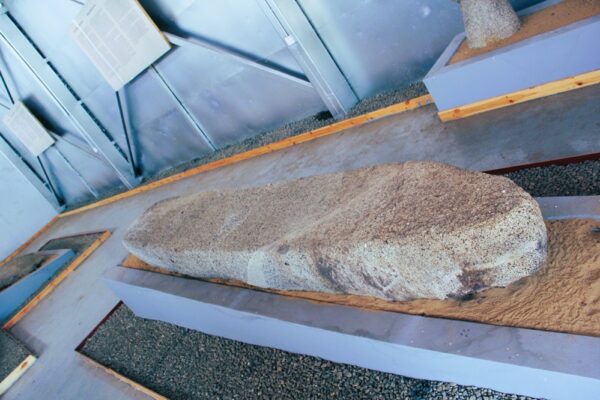
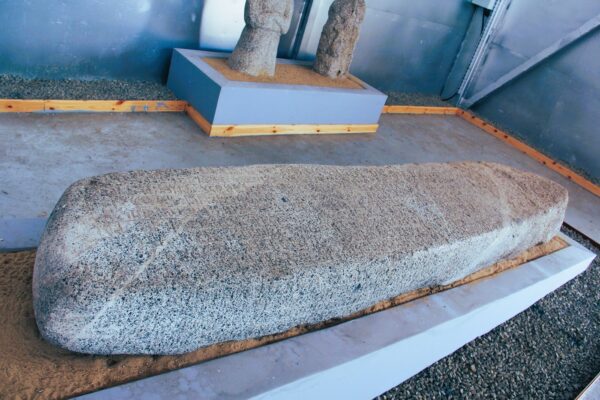
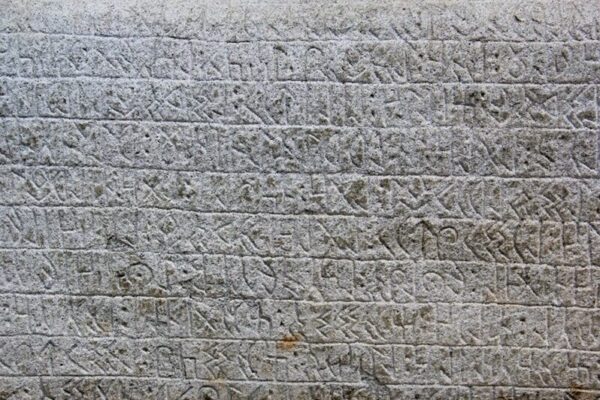
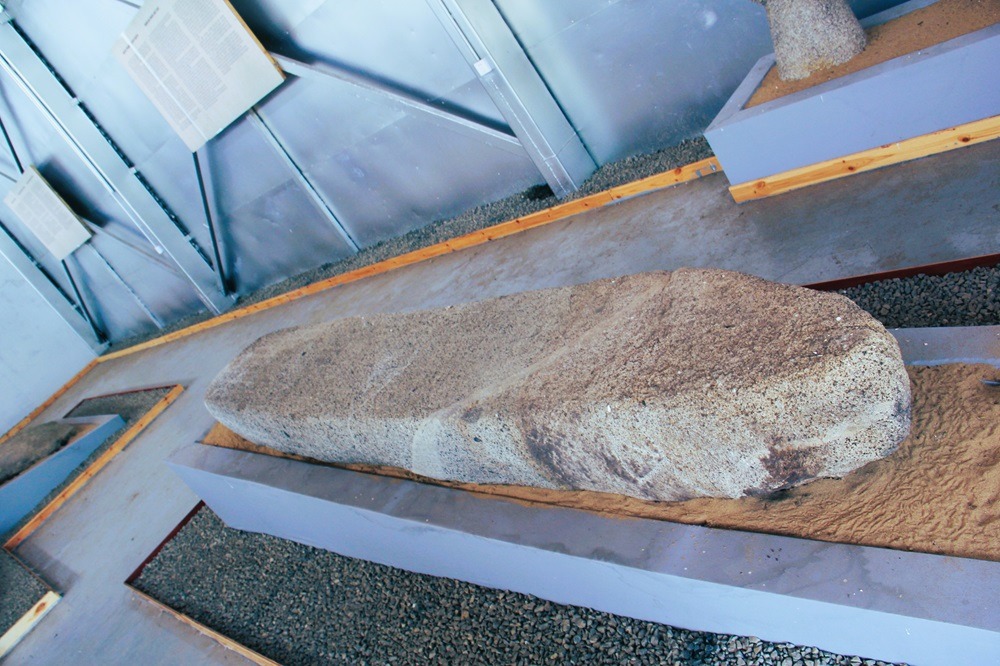
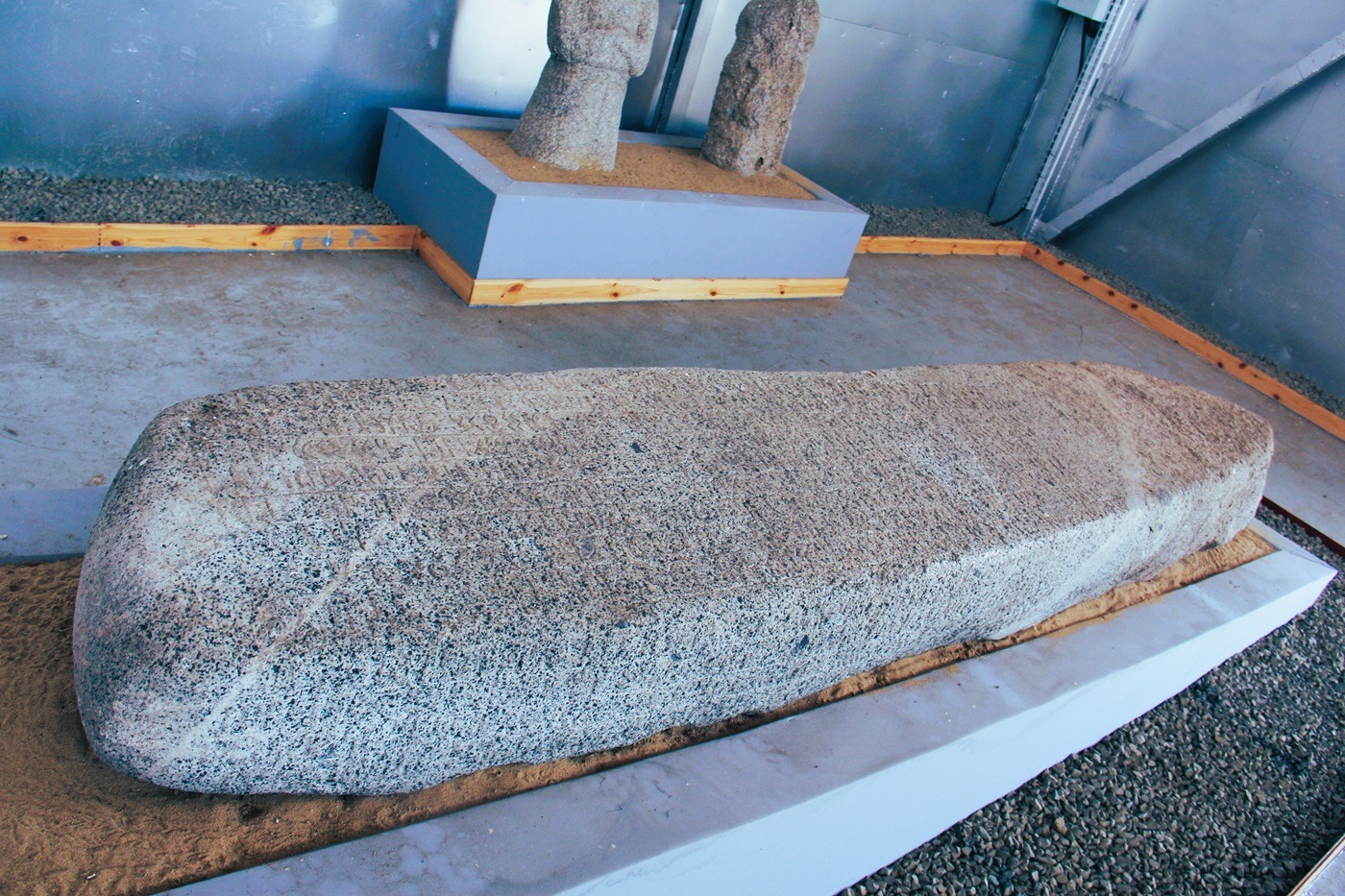
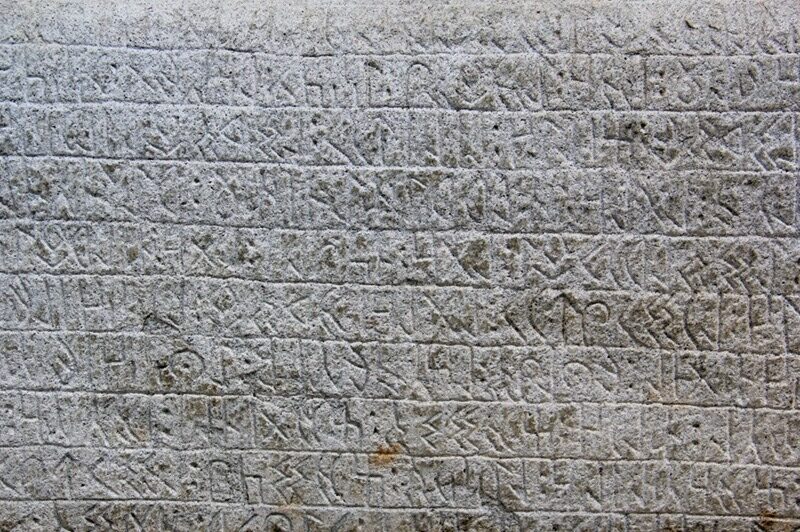
Tonyukuk erected two statues in the burial complex during his lifetime. The first statue is 170 cm tall with 37 lines of inscription. The second statue is 160 cm tall with 25 lines. The inscriptions describe the political situation. They mention that the Turkic state was under Nanai rule and express a hope for an independent king.
The inscriptions also describe threats from neighboring powers. These included the Nanais in the south, the Khitans in the east, and the Okuz in the north. The inscriptions record wars with the Kirghiz, Tardush, Sogd, and other western nations. Tonyukuk taught:
“…it is easy to bend the soft and tear the thin. It is easy to conquer a weak state, but it is difficult to conquer a strong one. To conquer it, you need a hero’s courage…”
The Tonyukuk Stelle preserves these teachings. It also honors the last three Turkic kings—Elteres, Kapkan, and Bilge—who strengthened their country and state.
Tonyukuk’s Life and Legacy
Tonyukuk (646–732) belonged to the powerful Ashina clan. He became an advisor after being released during Kutuluk’s rebellion. Kutuluk later became Elteres Khan.
In 693, after Elteres Khan died, his son Mojo introduced reforms that removed Tonyukuk and other old nobles from state service. Tonyukuk then led a secret plan to replace Mojo with the younger prince Mohilian, who became Bilge Khan. He died in 732 at the age of 86.
Visitors today can explore the Tonyukuk Stelle. It offers a glimpse of ancient Turkish culture, burial customs, and Tonyukuk’s strategic genius. The monument reflects both historical and artistic heritage.