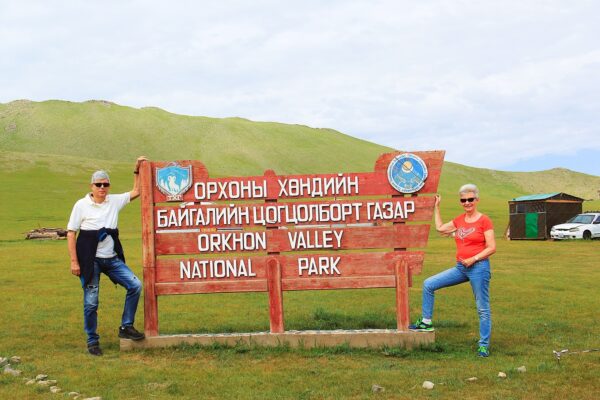
Orkhon Valley Heritage – A Legacy of Cultural and Historical Significance
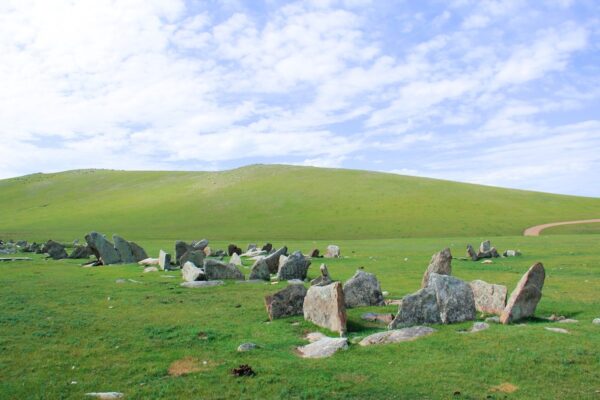
In 2004, the UNESCO World Heritage Committee formally recognized the Orkhon Valley Cultural Monument, inscribing it on the World Heritage List. This prestigious designation underscores the valley’s exceptional cultural and historical significance, highlighting its remarkable contributions to the story of human civilization. With its unique landscapes and rich archaeological heritage, the Orkhon Valley stands as a living testament to the diverse cultural narratives that have shaped humanity over centuries, emphasizing the importance of preserving this invaluable site for future generations.
The Heart of Nomadic Heritage and Ancient Civilization
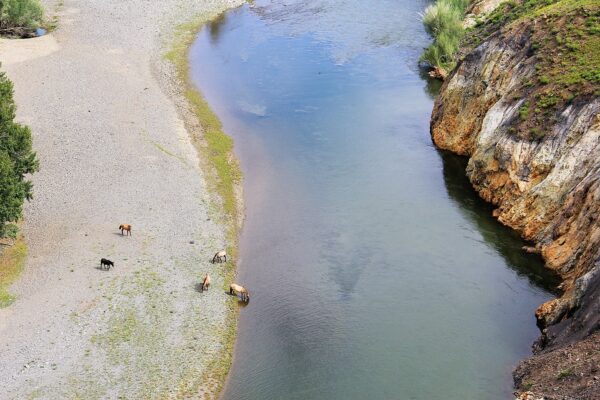
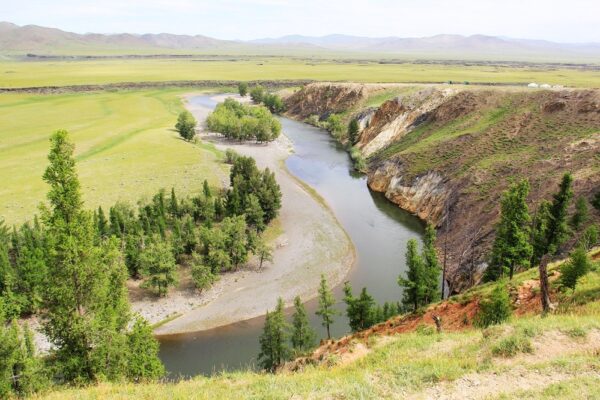
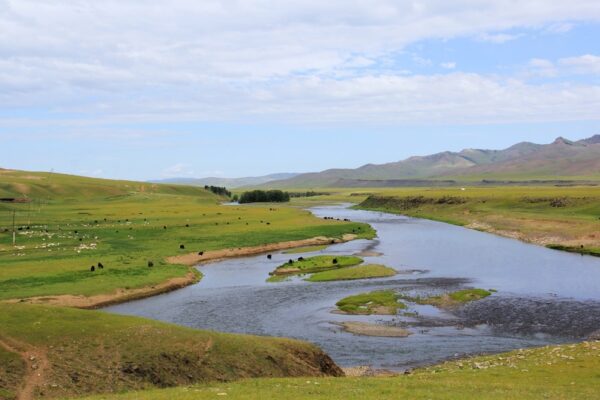
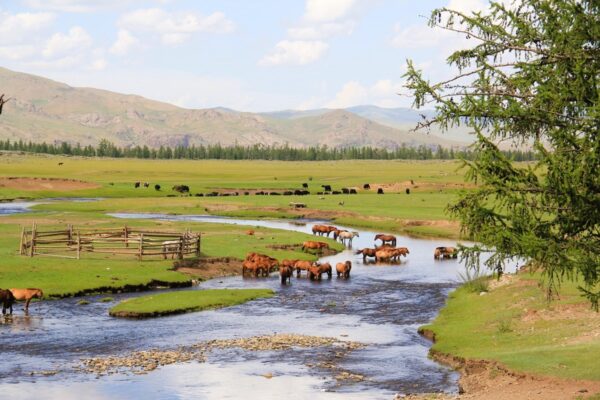
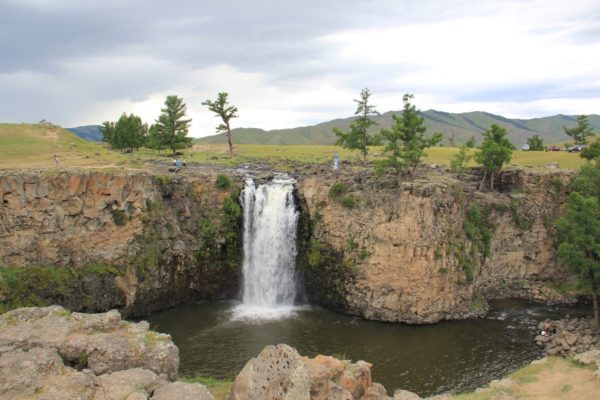
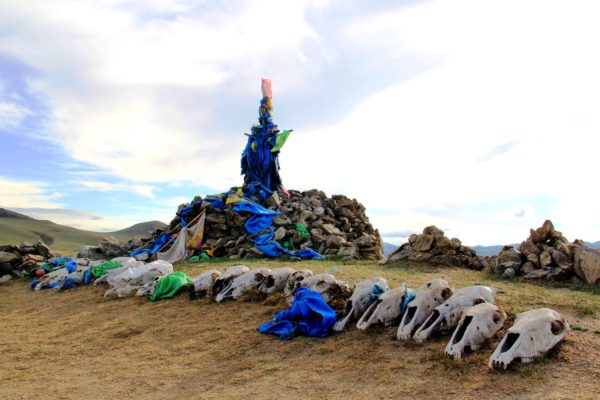
The Orkhon Valley and its surrounding river basin reveal the enduring legacy of Central Asia’s nomadic cultures. For generations, people have maintained a deep, symbiotic connection with the region’s vast steppes, rugged mountains, and flowing rivers. Here, the natural beauty of the landscape seamlessly blends with traditional social practices and nomadic lifestyles, offering a vivid reflection of human resilience and cultural continuity in one of the world’s most striking environments.
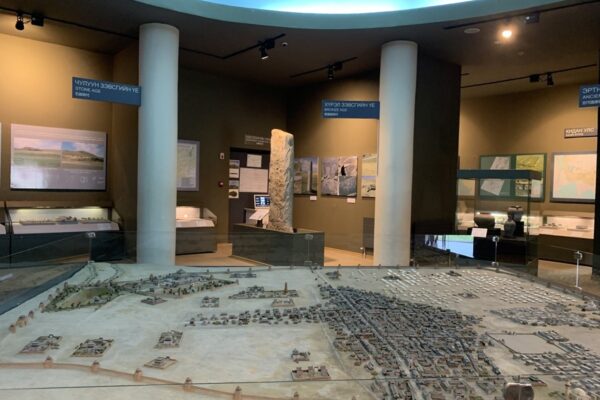
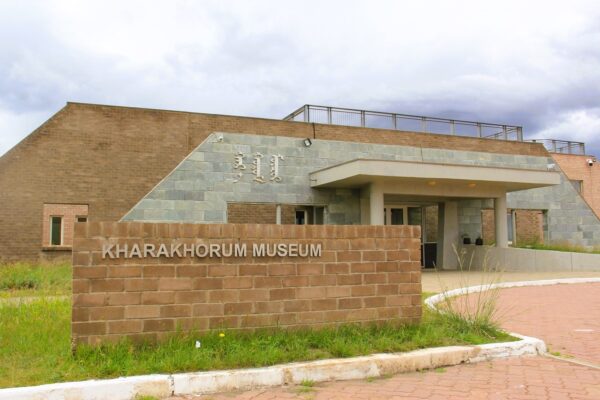
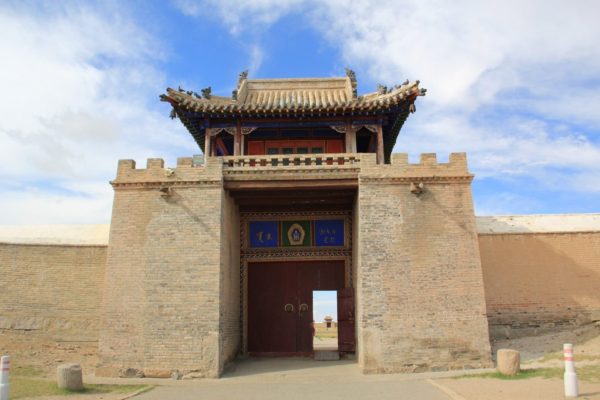
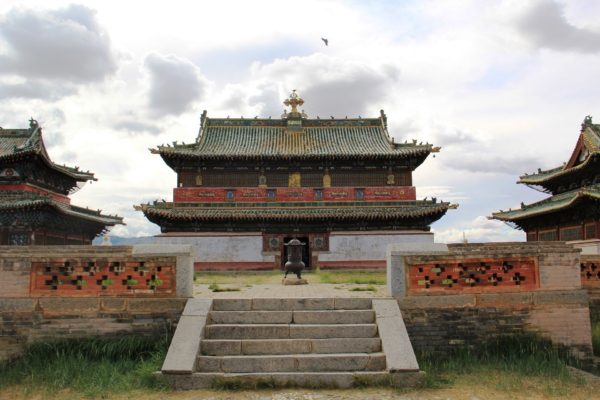
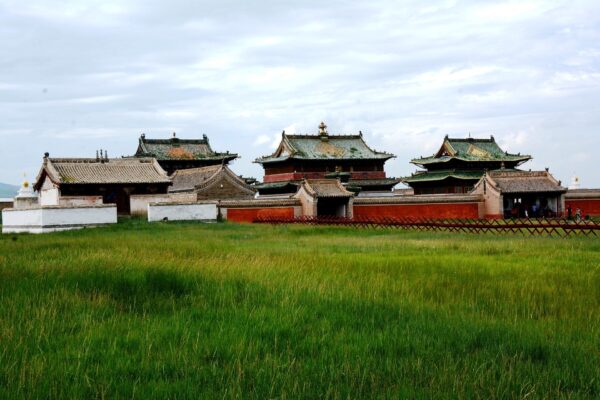
Nestled within this historically rich region is Kharkhorum, the former capital of the Mongolian Empire, established by the legendary Genghis Khan. The ruins of Kharkhorum echo the grandeur of a civilization that once dominated vast territories, marking a pivotal chapter in Central Asian history. Today, the Orkhon Valley continues to captivate visitors with its breathtaking scenery and extraordinary heritage, preserving the spirit and traditions of the people who have thrived in this remarkable land for centuries.