Khorgo Volcano Crater & Terkhiin Tsagaan Lake National Park
Terkhiin Tsagaan Lake – “Great White Lake”
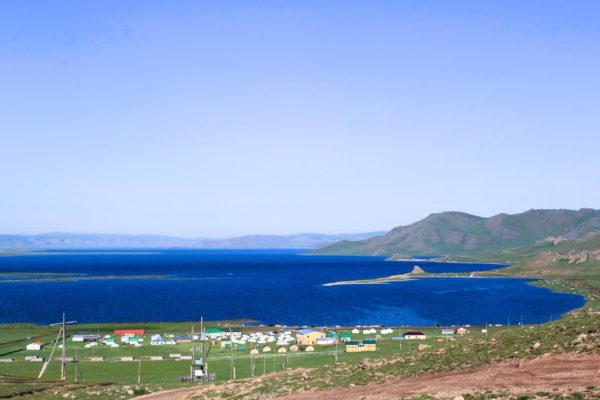
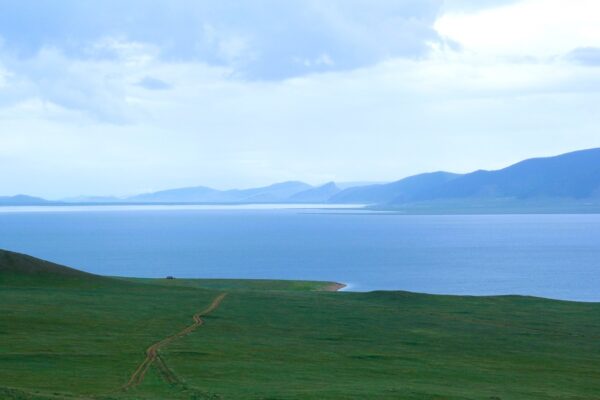
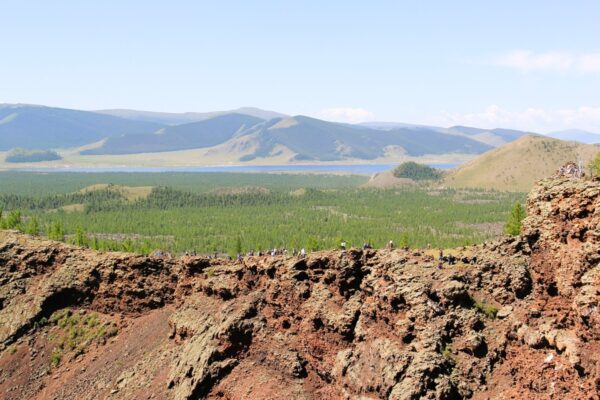
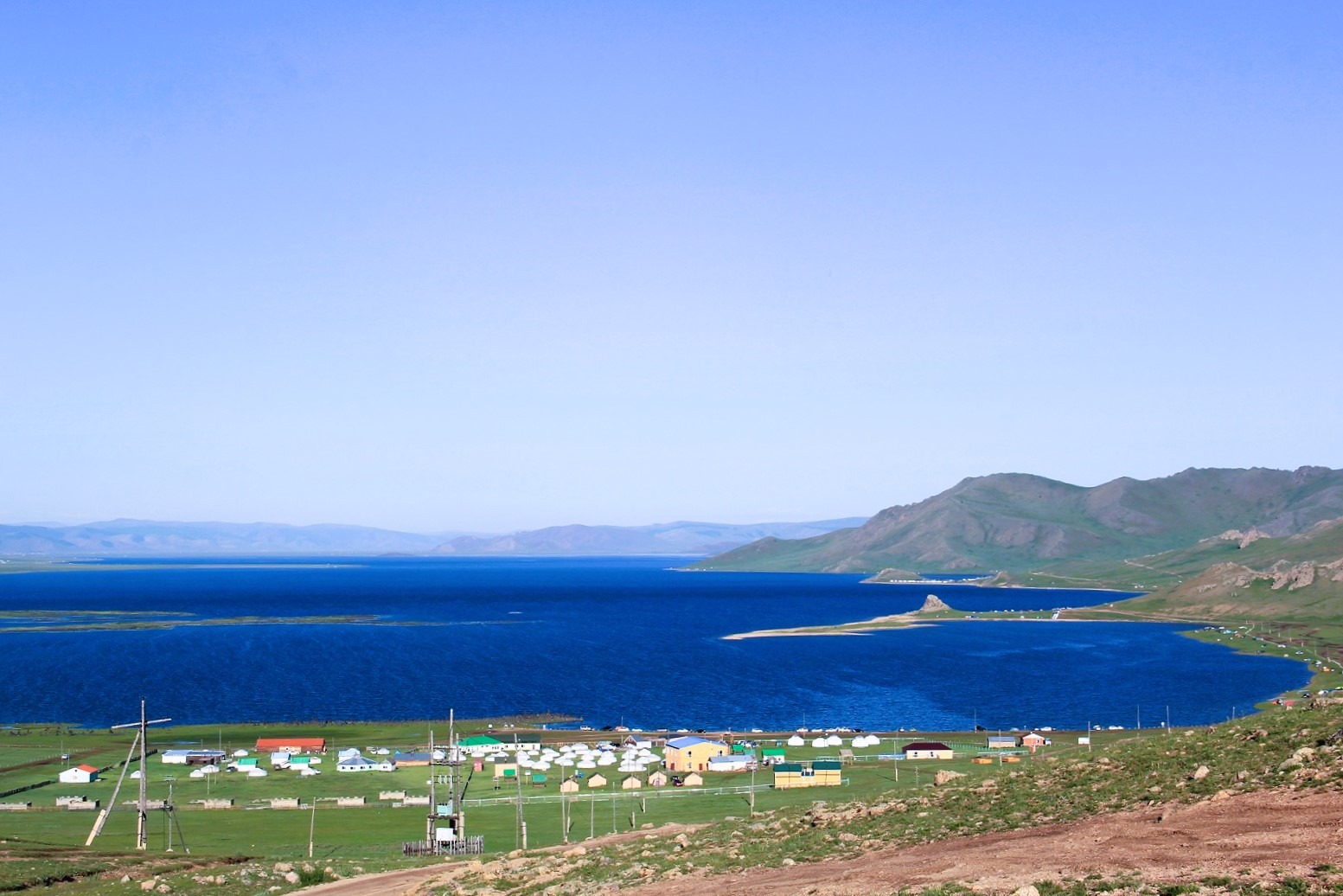
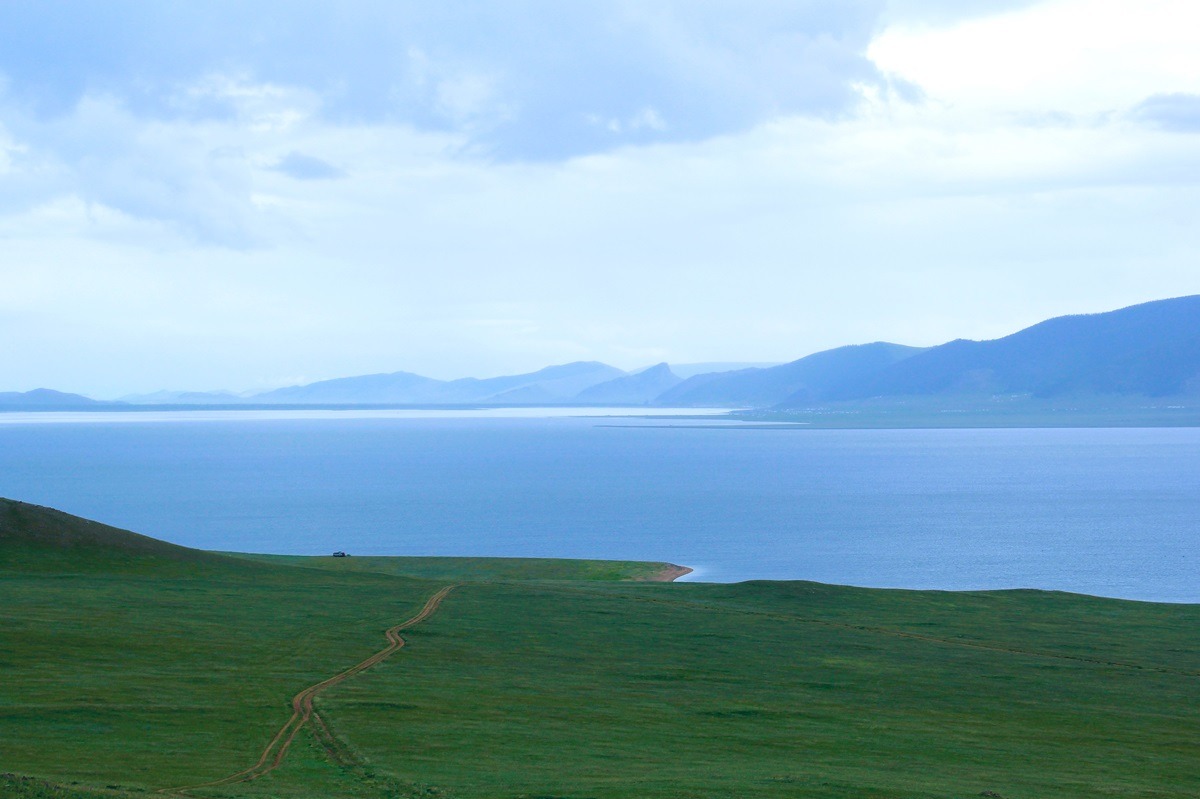
Located just 6 km west of Khorgiin Togoo, Terkhiin Tsagaan Lake is one of the Khangai Mountains’ most beautiful freshwater lakes. It was formed by ancient volcanic eruptions. The lake is 16 km long and 6 km wide, with a maximum depth of 20 meters. Covering 61.1 km², it is fed by more than ten rivers, including the largest, the Terkh River. Only the Suman River flows out.
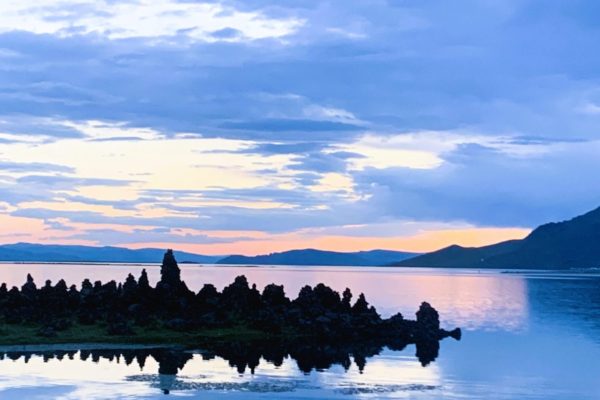
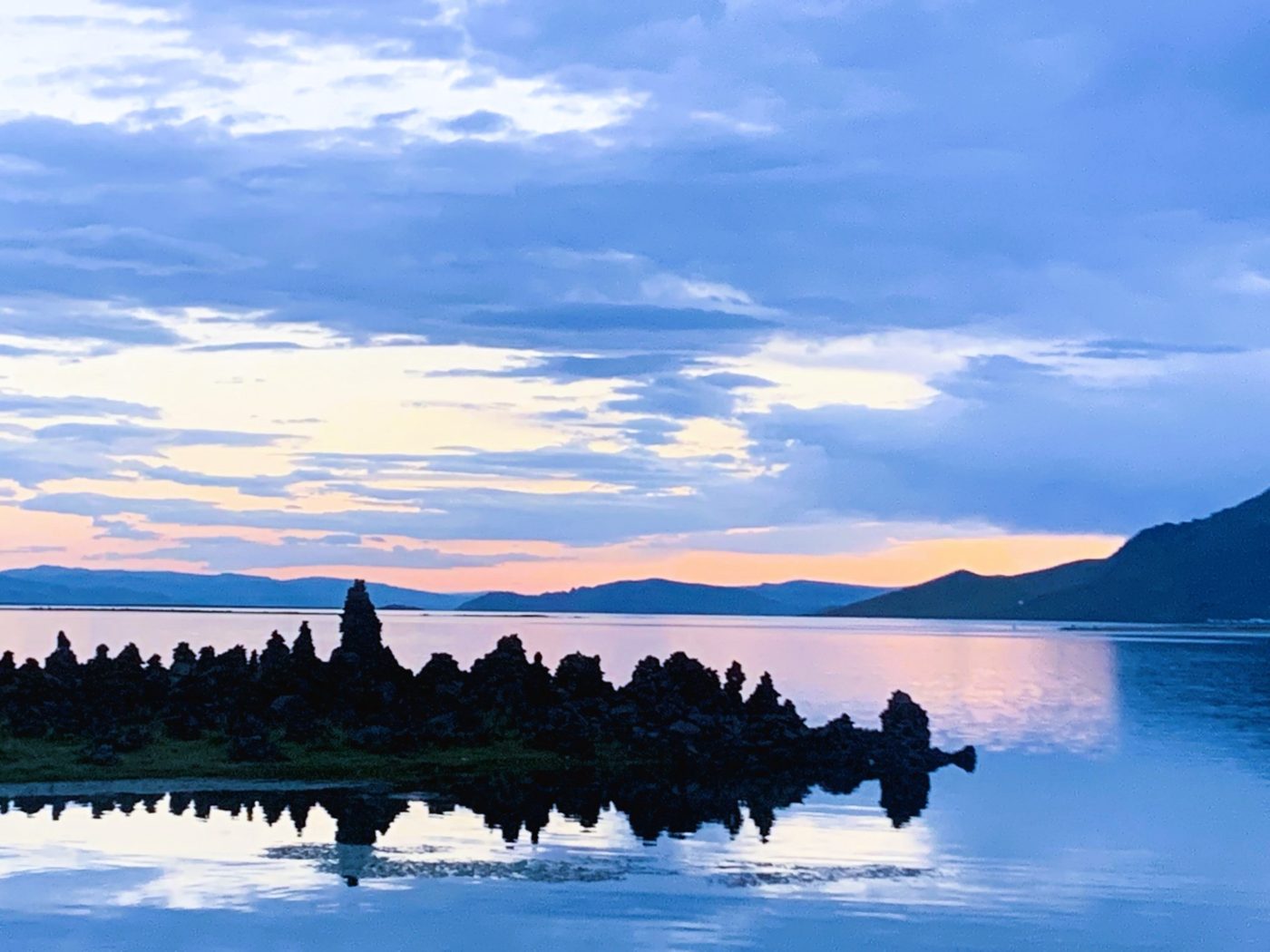
In the center of the lake lies Chandmani Hill, where fragrant sankham plants grow alongside rare medicinal herbs. Small islands provide safe nesting grounds for birds. The clear waters are home to fish such as taimen, lenok, grayling, and pike.
According to legend, travelers arriving from the eastern ridge were amazed and exclaimed, “Look at that great white lake!” This is how the lake got its name, Terkhiin Tsagaan Nuur, meaning “Great White Lake.”
The lake is located 165 km west of Tsetserleg. The road to the park passes crystal-clear lakes, narrow gorges, and high mountain valleys. Its pristine waters are perfect for swimming, and anglers can enjoy fishing for pike. With its peaceful environment, easy access, and stunning views, Terkhiin Tsagaan Lake is one of Mongolia’s top camping destinations.
Discover Khorgo Volcano
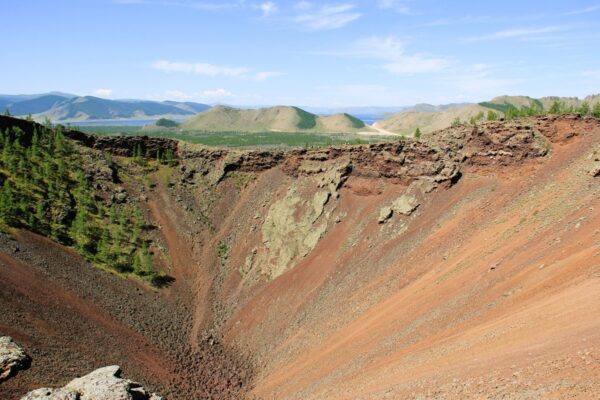
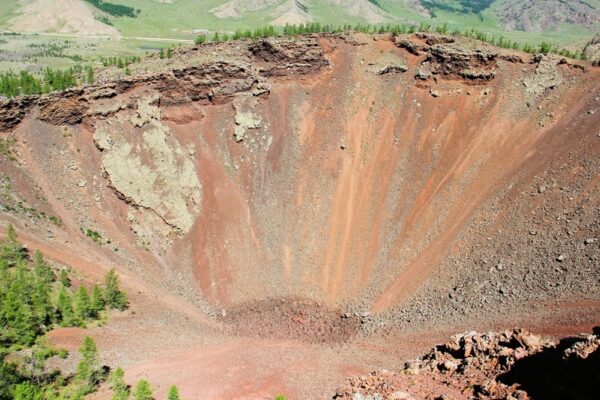
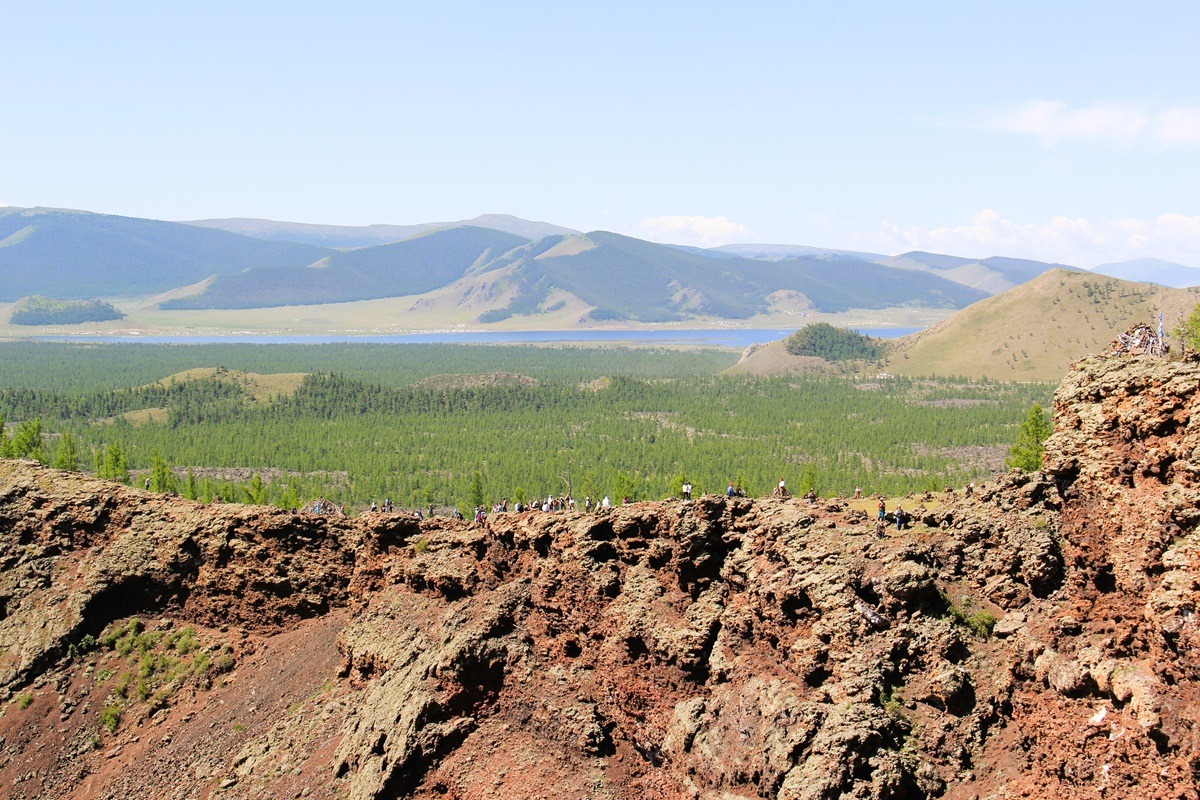
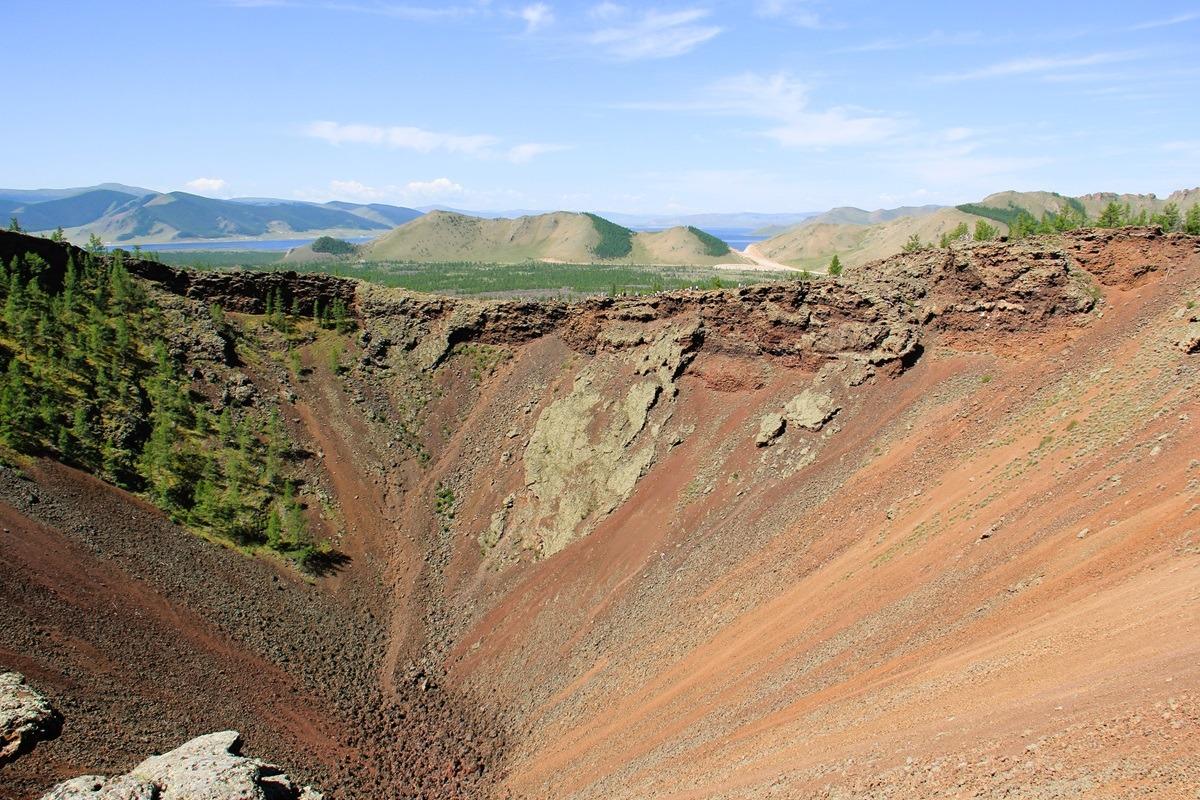
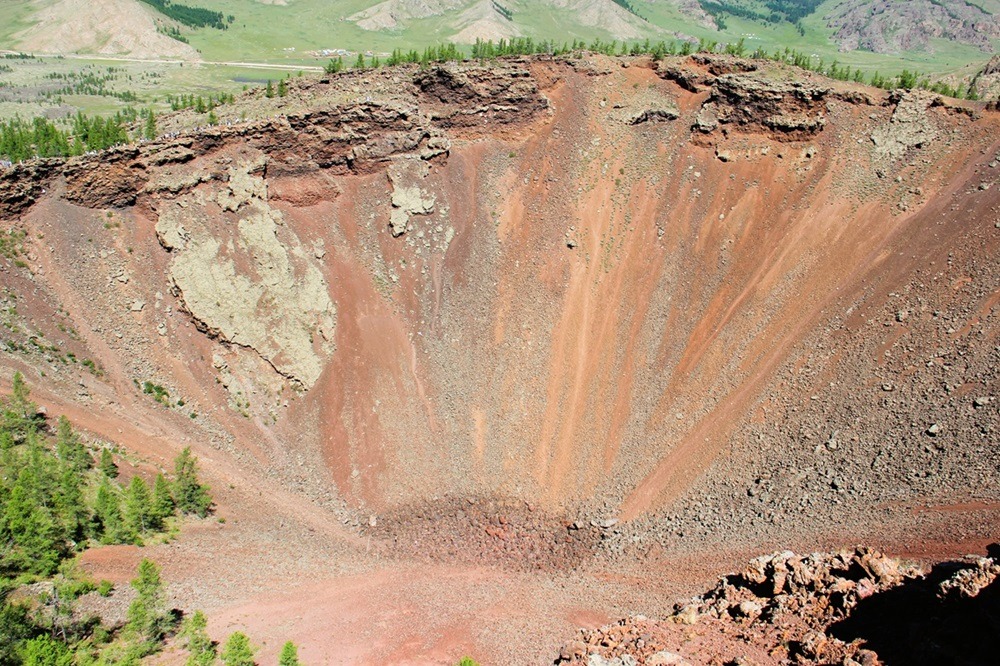
Just 6 km northwest of Tariat in Arkhangai Province lies Khorgo Volcano, one of Mongolia’s youngest extinct volcanoes. It last erupted about 9,000 years ago. The crater sits at 2,240 meters above sea level. It is 300–400 meters wide and about 100 meters deep.
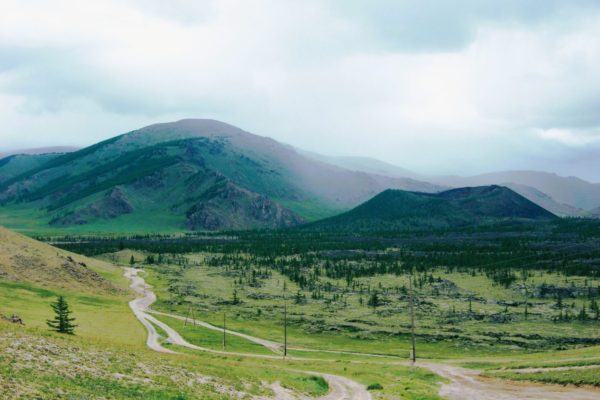
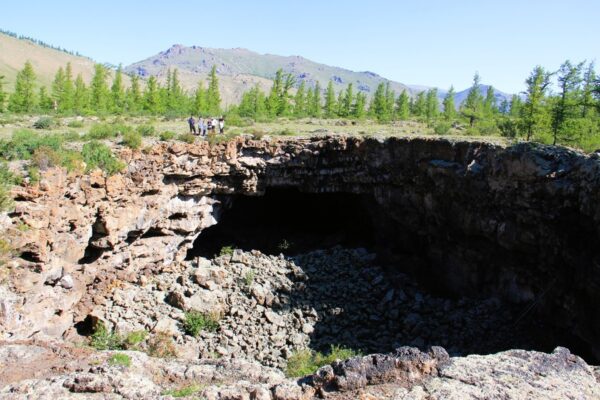
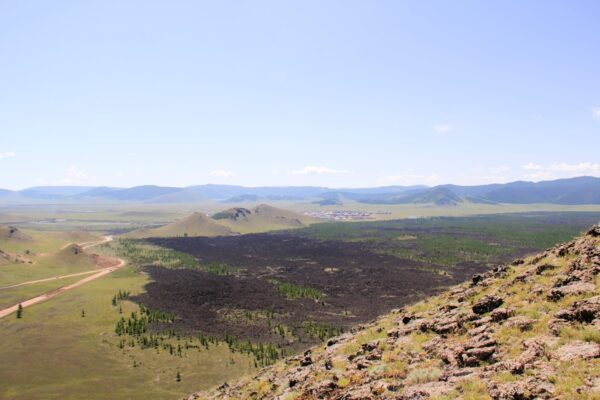
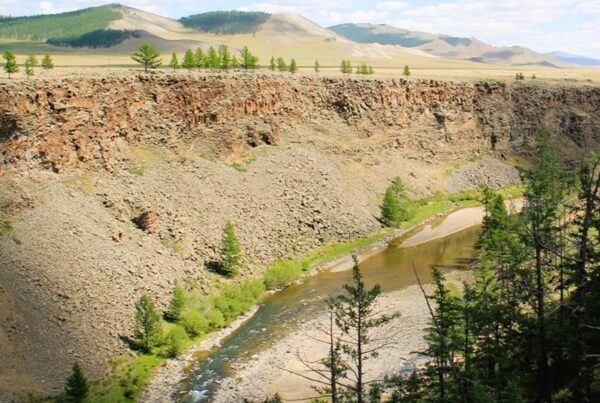
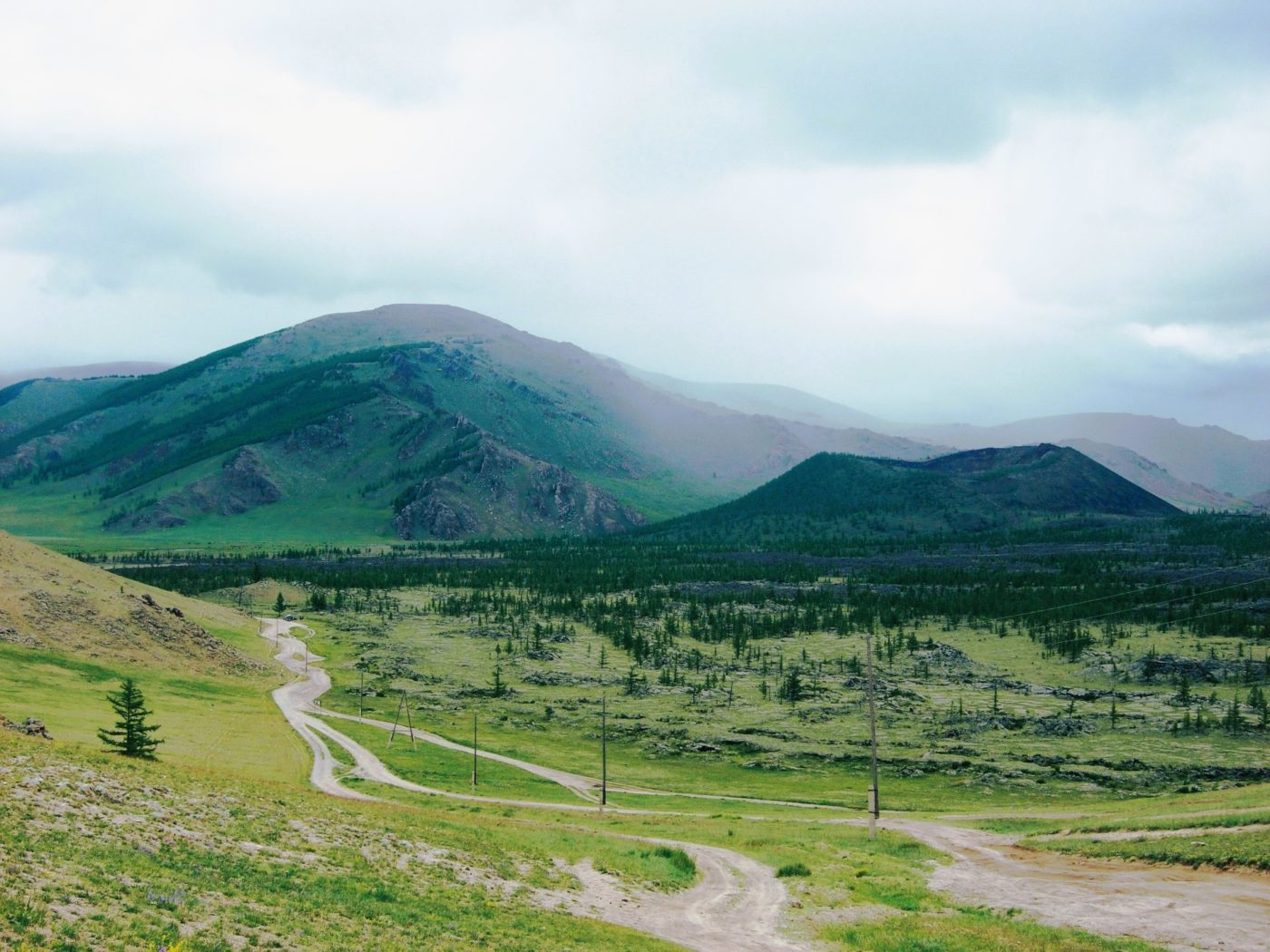
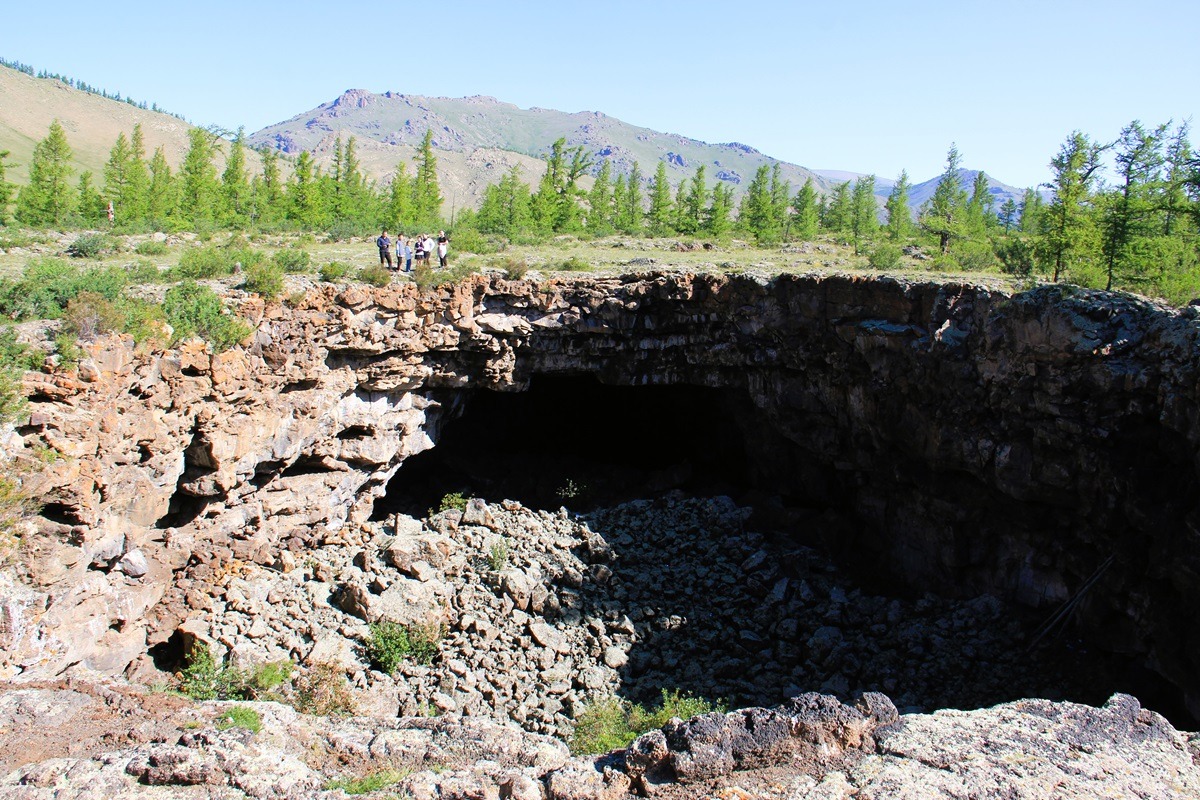
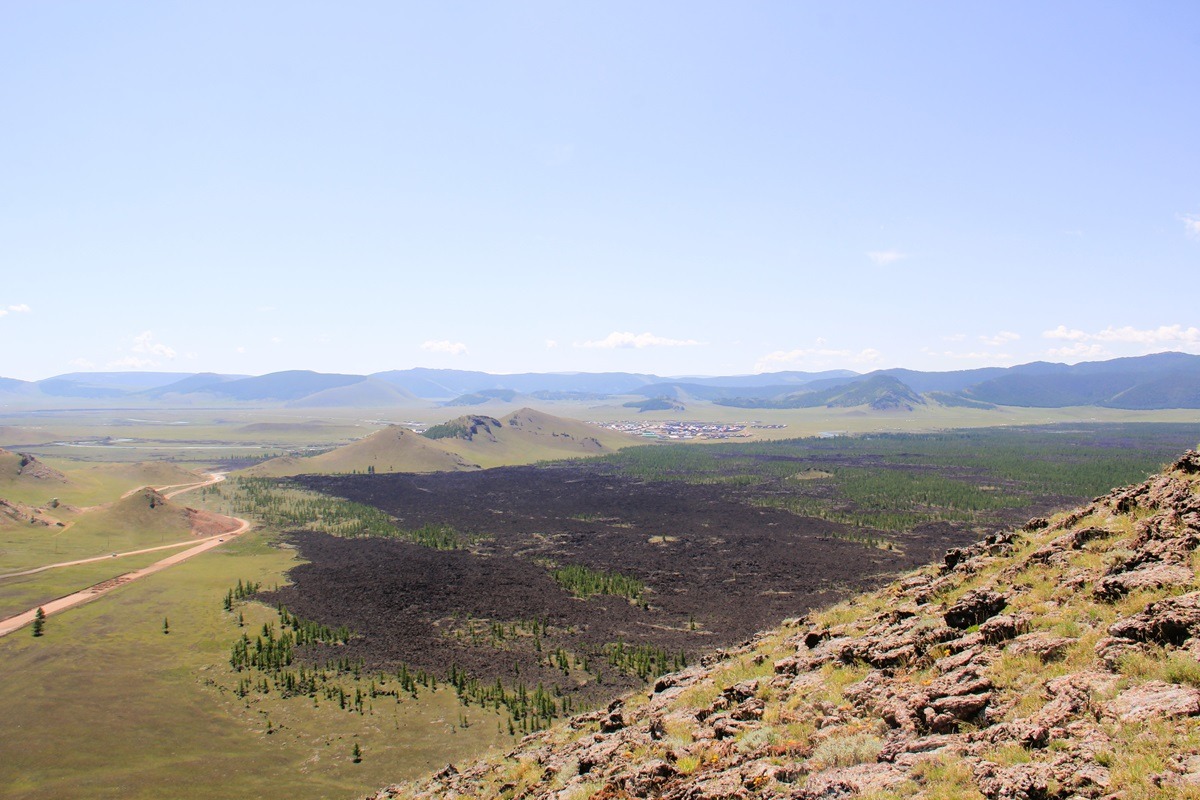
During the eruption, molten lava flowed nearly 100 km down the Suman and Chuluut river valleys. This formed basalt layers 40–50 meters thick across a 10–20 km-wide area. Today, the area is covered with cedar and larch forests, full of nuts and berries. Lava tunnels and caves remain hidden in the basalt formations.
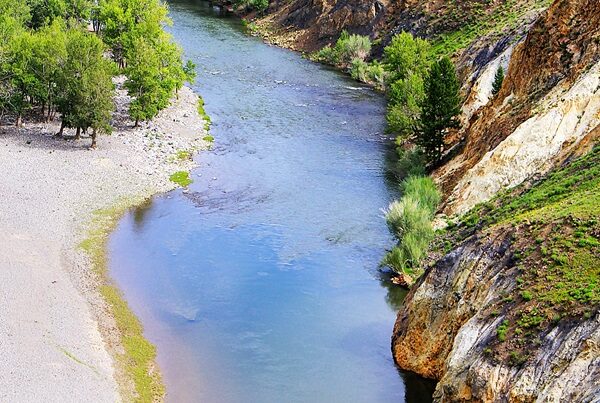
The region contains 33 other volcanic formations, including Gichgene Crater, Öliin, Tsagaan Mountain, and Mandal Crater. Winding rivers such as the Suman, Gichgene, and Chuluut flow through these ancient formations. Together, they create a dramatic and photogenic landscape. The area became a protected reserve in 1965 and was upgraded to a national natural monument in 1994.
Hiking the Khorgo Volcano Crater Rim
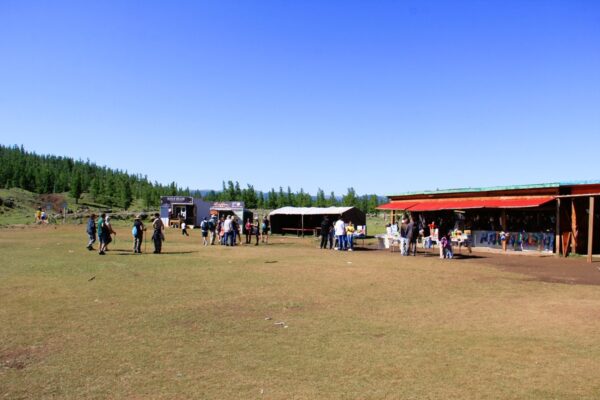
One of the park’s most popular activities is hiking the five-kilometer crater rim loop of Khorgo Volcano. The trail takes about two hours to complete. It is easy to follow without a guide. From the western parking area, it is only a ten-minute walk to reach the crater rim.
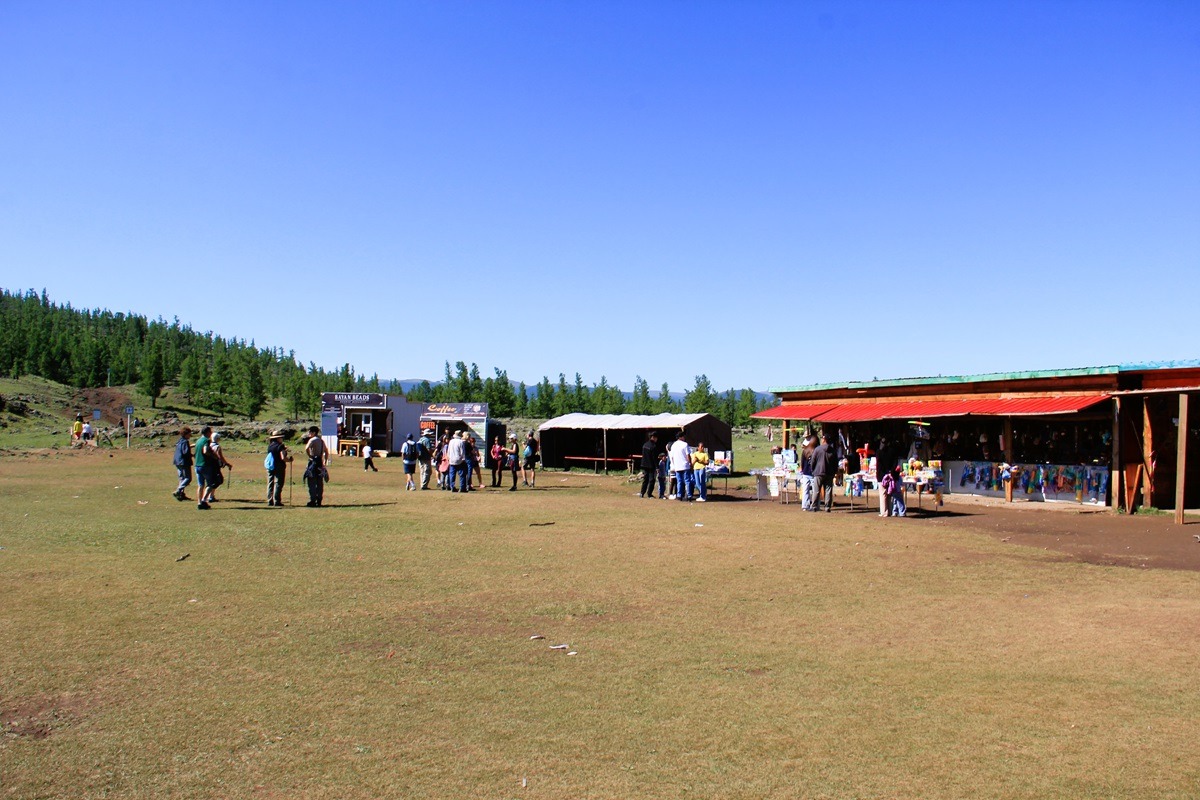
The lava fields around Khorgo Volcano are full of cracks, caves, and tunnels. They are clear evidence of ancient lava flows. The main crater is 800 meters wide and 50 meters deep, making it one of Mongolia’s most striking volcanic features. At the eastern foot of the volcano, black volcanic ash lines the road to the tourist camps. This creates a dramatic and photogenic landscape. It is perfect for photography.