Location and Overview
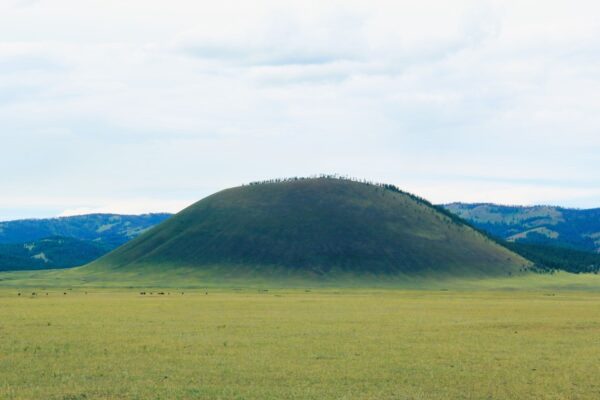
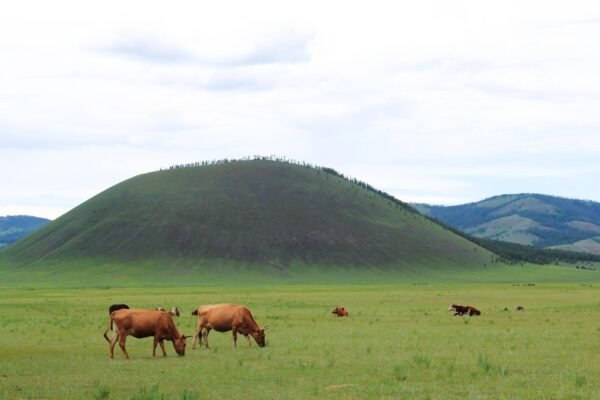
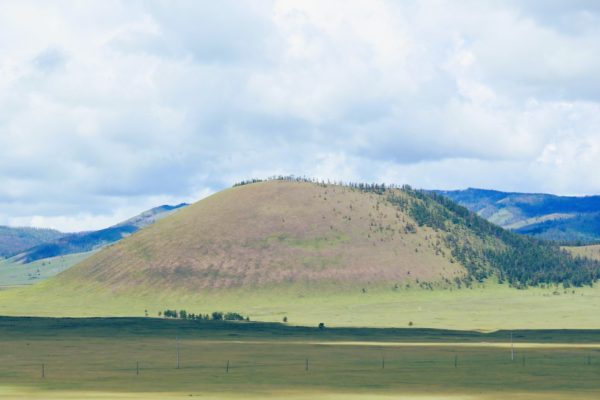
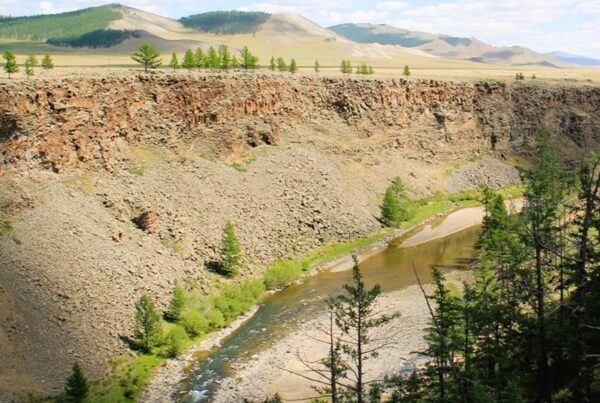
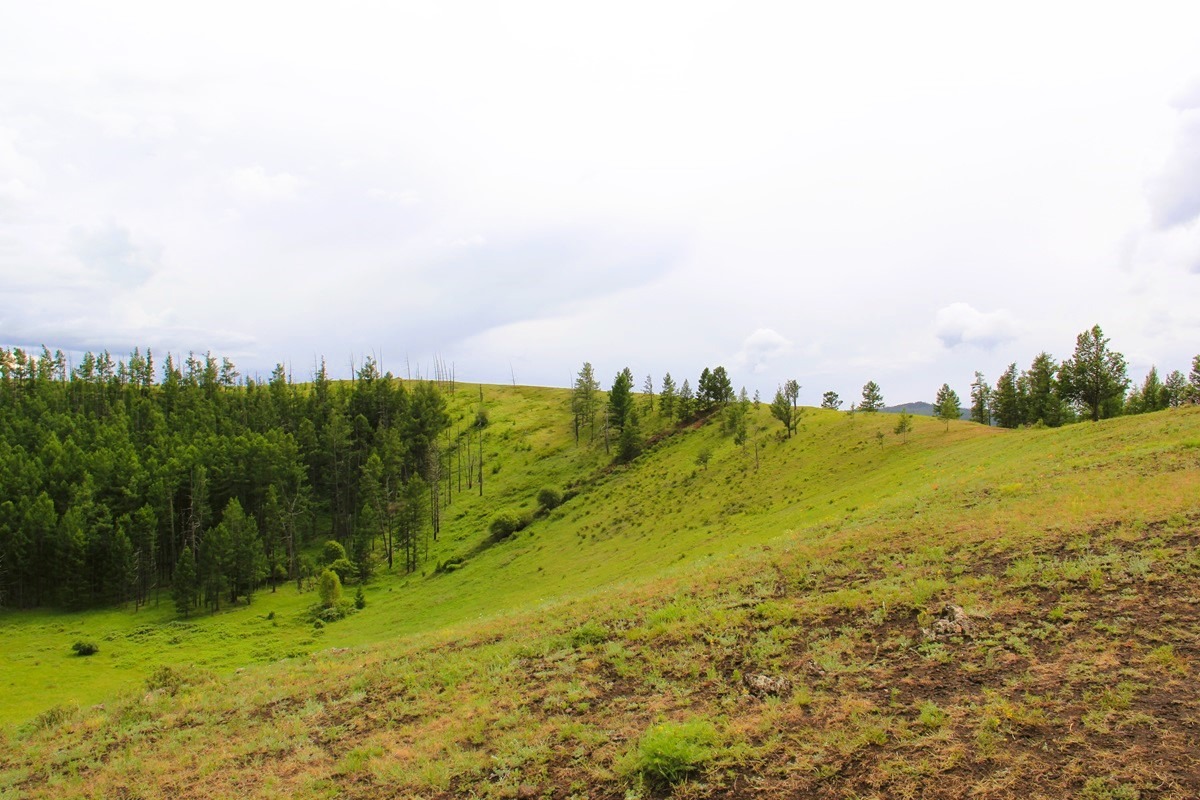
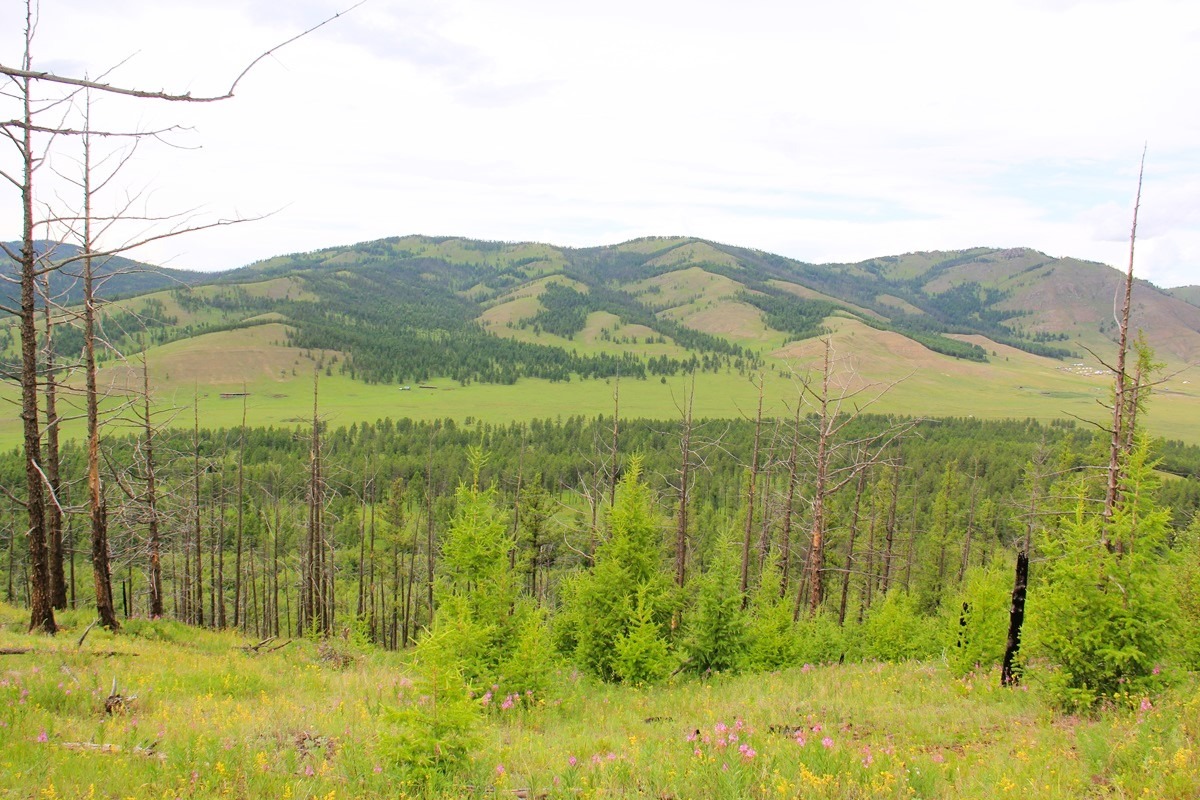
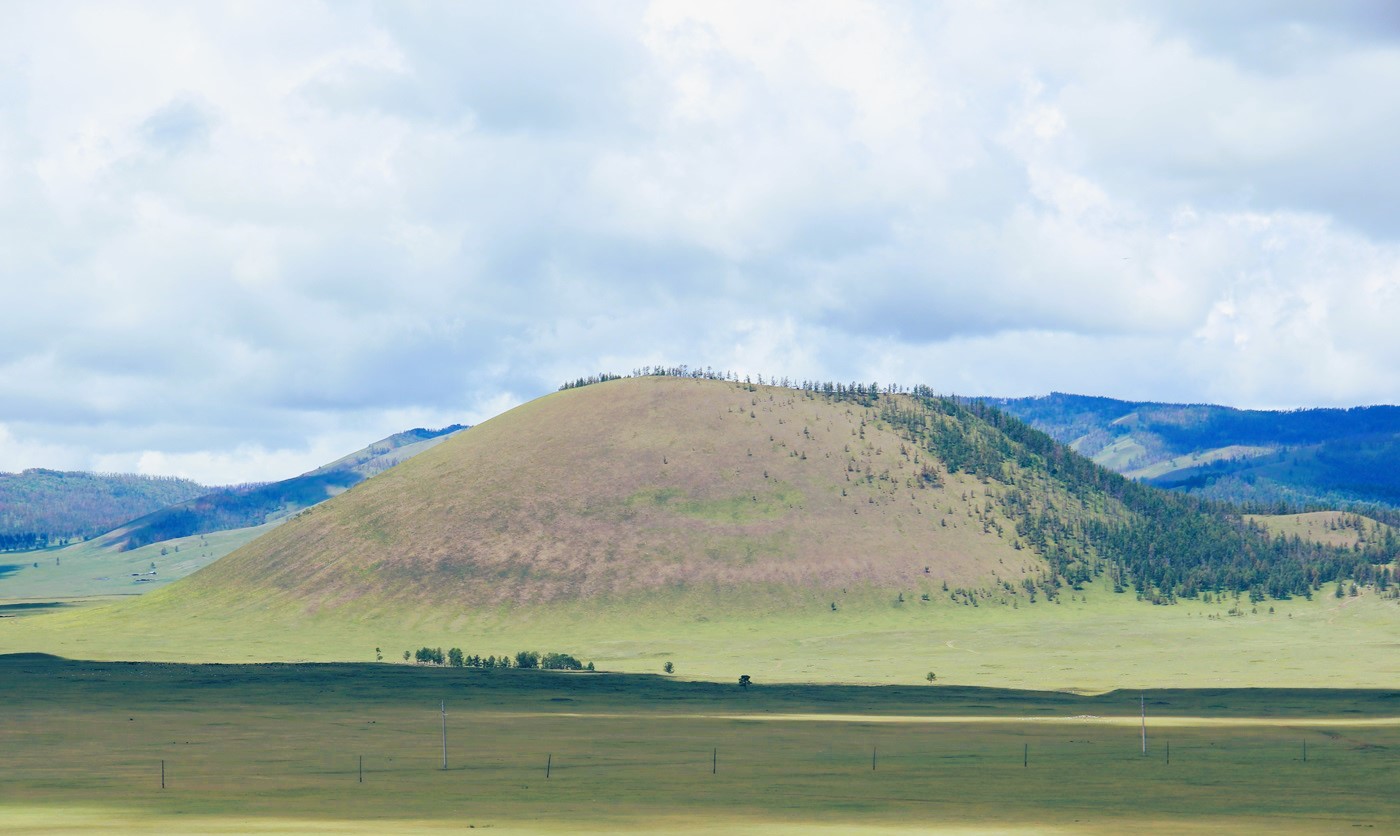
Located about 80 km northwest of Bulgan city in Khutag-Andur sum, Bulgan province, four extinct volcanoes, Uran, Tulga, Togoo, and Jalavch, dominate the landscape. These mountains formed during the Quaternary period and became extinct around 20,000 to 25,000 years ago. Consequently, they offer a rare glimpse into Mongolia’s volcanic history and geological evolution.
Mount Uran Togoo
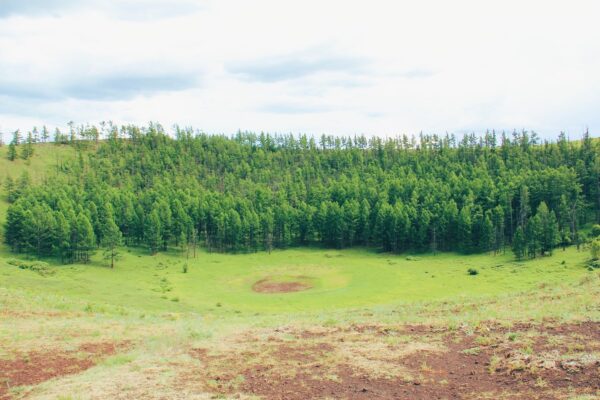
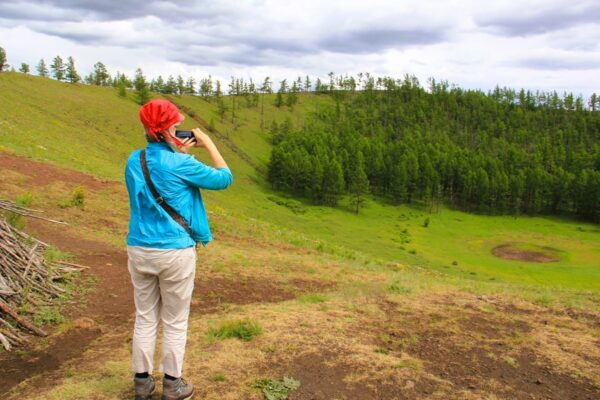
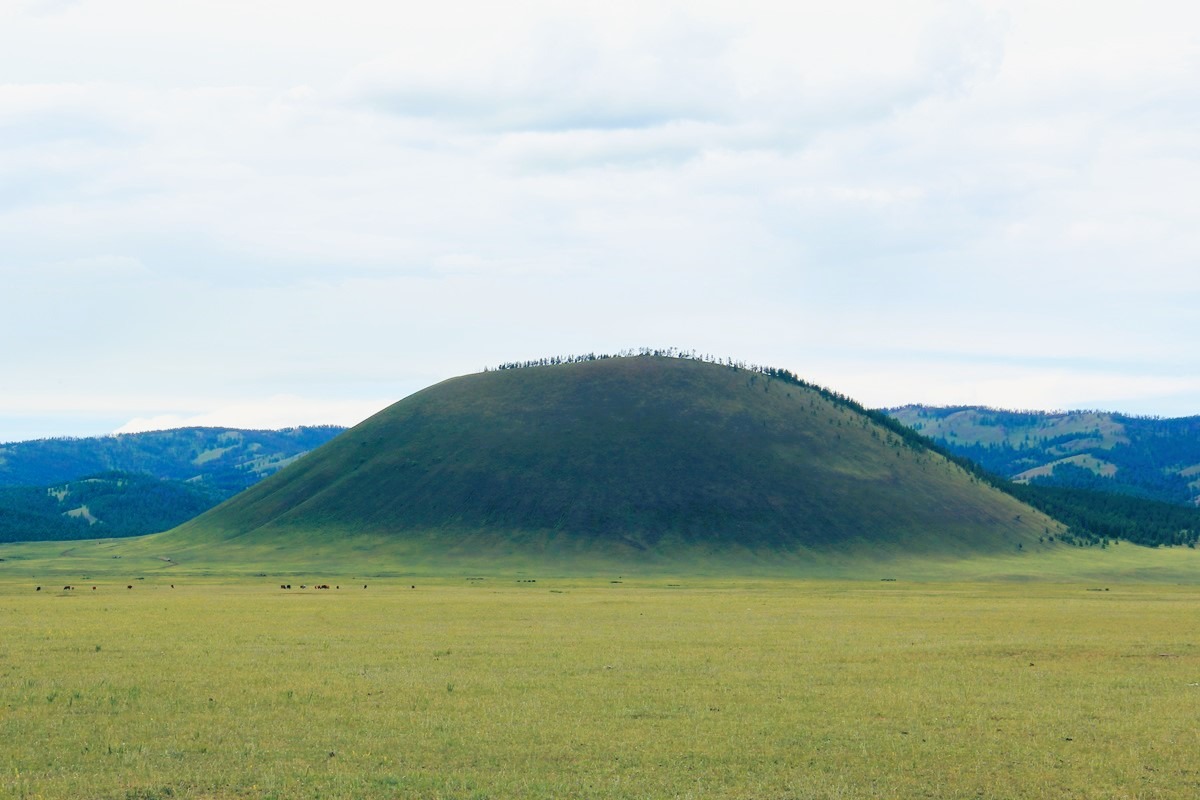
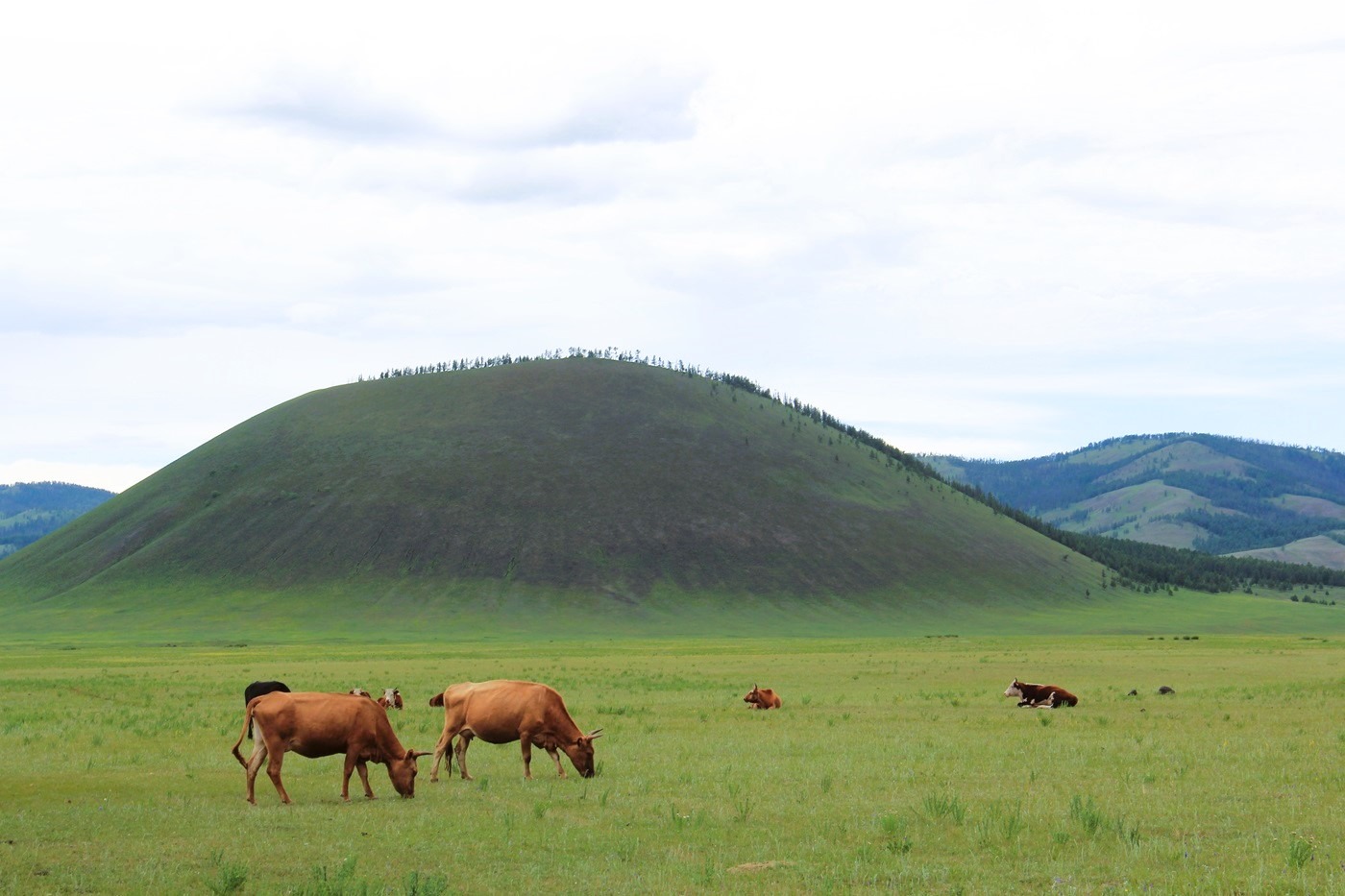
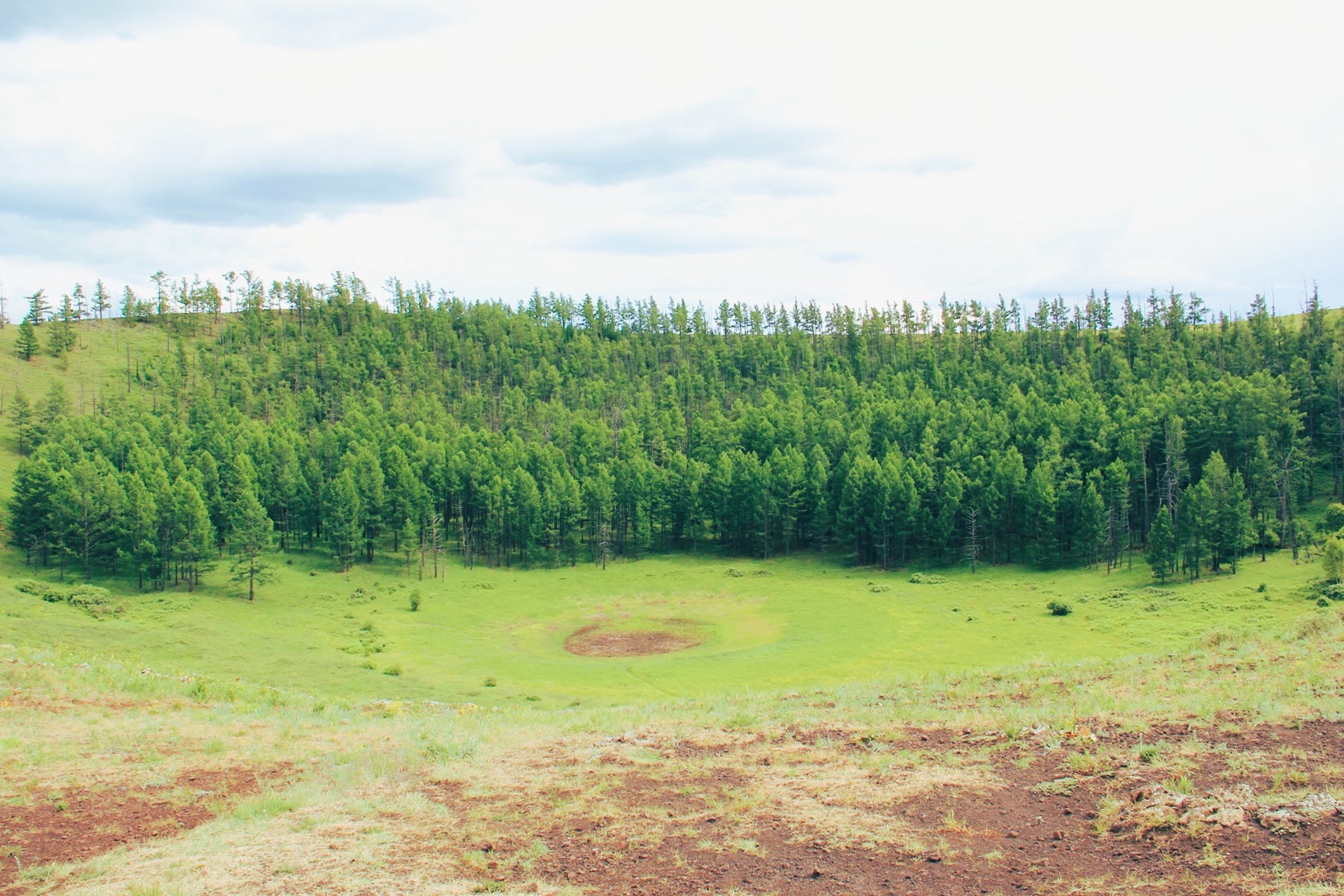
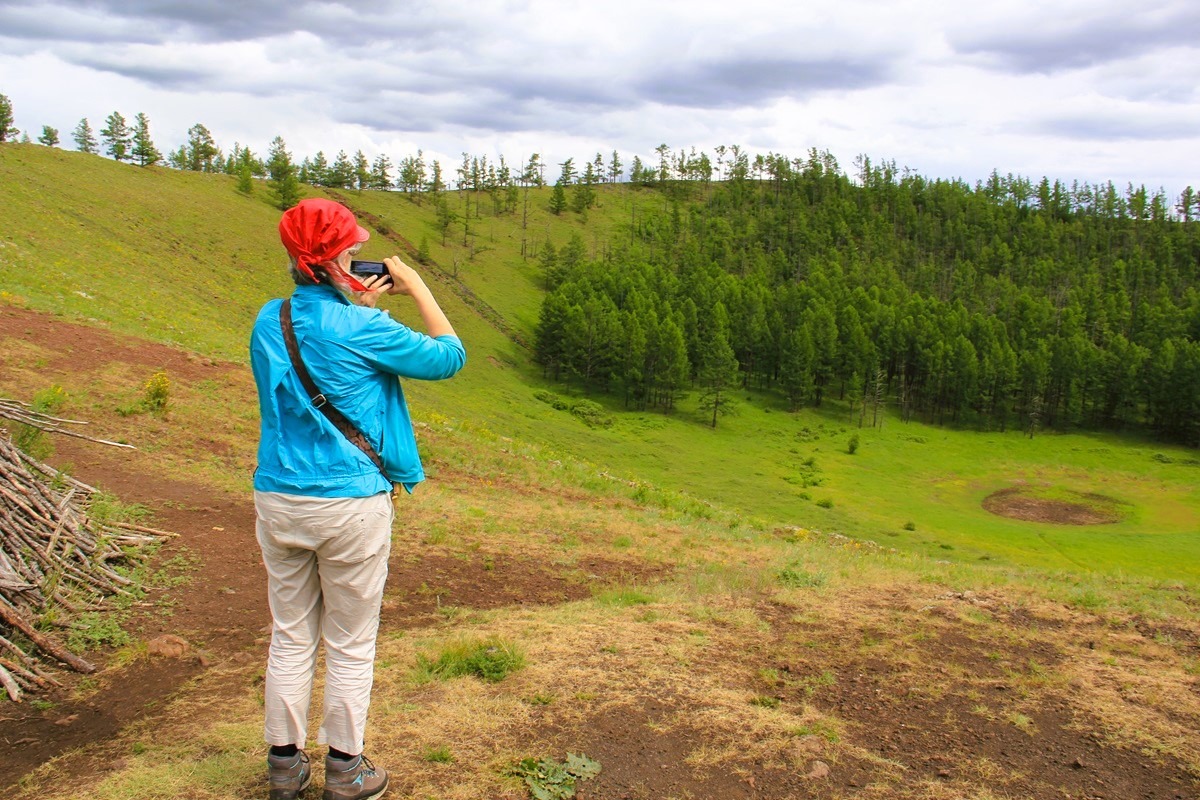
Mount Uran Togoo, the highest peak, rises to 1,686 meters. Its unbroken rim stretches 500–600 meters wide, while the crater drops 50–60 meters deep. Inside the crater lies a small circular lake, measuring 20 meters in diameter and 1.5 meters deep. Moreover, dense forests surround the lake, creating a peaceful and scenic environment. As a result, many visitors hike to the summit to enjoy panoramic views and the calm atmosphere.
Tulga Mountain
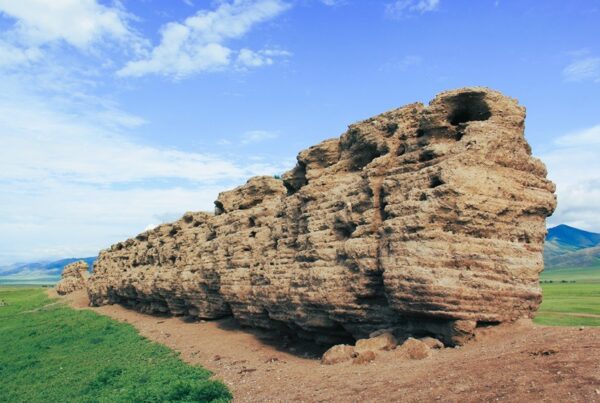
Tulga Mountain lies 12 km west of Uran. Interestingly, its crater walls broke to the northeast, south, and northwest. Therefore, the remaining structure forms a three-part circular wall that resembles cornerstones. This unusual formation makes Tulga distinct from the other volcanoes in the region.
Mount Togoo and Mount Jalavch
In contrast, Mount Togoo rises to about 1,540 meters above sea level and has a well-preserved crater. Its mouth spans roughly 400 meters across and reaches a depth of 100 meters, giving it the appearance of a giant natural bowl. Meanwhile, Mount Jalavch stands west of Togoo at 1,560 meters. Together, these mountains complete the striking volcanic landscape of the area.
Wildlife and Natural Environment
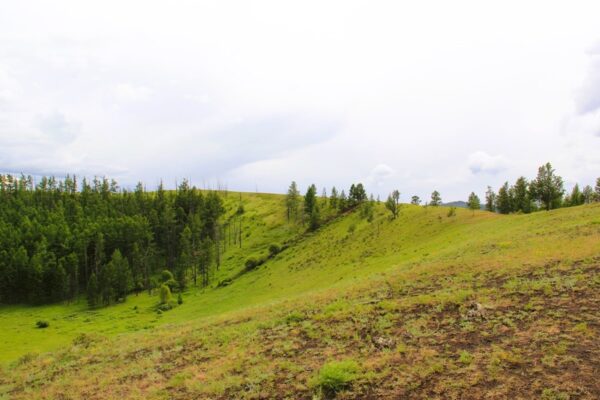
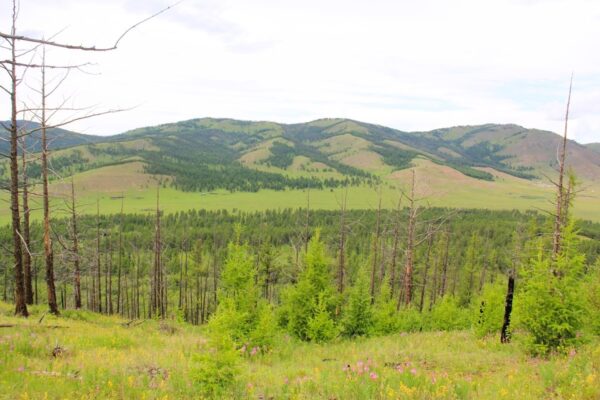
In 1965, authorities designated this region as a Natural Historical Site, covering 5,800 hectares. Therefore, its ecosystems remain well protected. The area supports coniferous forests, as well as poplar, larch, and birch trees. In addition, a wide range of animals live here, including deer, argali, brown antelope, pigs, ibex, marmots, squirrels, brown rabbits, and brown moss mice.
Birdlife is also rich. For example, partridges, sparrows, vultures, harriers, and cuckoos inhabit the crater lake of Uran. Furthermore, reptiles such as snakes are common throughout the region. During winter, many animals seek shelter in the warmer depths of the extinct volcanoes, which helps them survive the harsh climate.
Overall, the Uran, Tulga, Togoo, and Jalavch volcanoes combine geological significance with rich biodiversity. As a result, this destination offers both scientific v